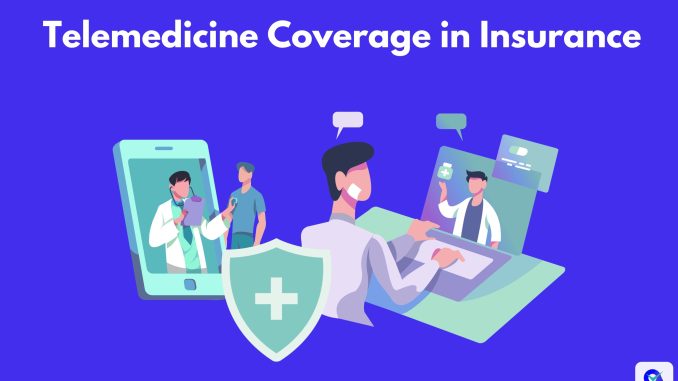
The rise of telemedicine has introduced a profound shift in how healthcare is delivered, and its ripple effects are being felt throughout the health insurance industry. What was once considered a niche service has now become a mainstream option, especially in the wake of global health crises that forced providers and patients alike to rethink traditional models of care. As virtual consultations, remote monitoring, and digital diagnostics become more common, insurers are adapting their policies, pricing structures, and coverage frameworks to keep pace with this evolving landscape.
One of the most immediate impacts of telemedicine on health insurance is the expansion of covered services. Historically, many insurers were hesitant to reimburse virtual visits, viewing them as supplementary rather than essential. That changed dramatically when in-person visits became difficult or risky, prompting regulators and insurers to broaden their definitions of medically necessary care. Today, many health plans include telemedicine as a standard benefit, covering everything from routine check-ups to mental health counseling. This shift not only improves access for patients in remote or underserved areas but also reduces barriers for those with mobility challenges, tight schedules, or concerns about exposure to illness.
Cost efficiency is another area where telemedicine is reshaping insurance dynamics. Virtual visits typically cost less than in-person appointments, both for the provider and the patient. For insurers, this translates into lower claims expenses, especially for routine care and follow-ups that don’t require physical examinations. Over time, these savings can help stabilize premiums and reduce the financial strain on the system. However, the economics of telemedicine are still evolving. Some insurers are exploring tiered pricing models, where virtual care is incentivized through lower co-pays or deductibles. Others are assessing how increased utilization—more frequent but lower-cost visits—affects overall spending. The challenge lies in balancing accessibility with sustainability, ensuring that virtual care enhances outcomes without encouraging unnecessary use.
Telemedicine also introduces new considerations around network design and provider relationships. Traditional insurance plans often rely on geographic proximity to define provider networks, but virtual care blurs those boundaries. A patient in a rural town might consult with a specialist in a major city without ever leaving home. This flexibility is a boon for consumers, but it requires insurers to rethink how they credential providers, negotiate rates, and manage quality assurance. Some insurers are partnering with national telehealth platforms to offer consistent, scalable services, while others are integrating virtual care into existing provider networks. The goal is to maintain continuity of care and ensure that virtual visits are seamlessly coordinated with in-person services when needed.
Privacy and data security are also front and center in the conversation about telemedicine and insurance. Virtual care involves the transmission of sensitive health information over digital channels, raising concerns about compliance with regulations like HIPAA and the potential for breaches. Insurers must work closely with providers to ensure that telemedicine platforms meet rigorous security standards and that patients understand how their data is being used and protected. This is especially important as wearable devices and remote monitoring tools become more prevalent, generating continuous streams of health data that can inform treatment and underwriting decisions. Transparency and trust are essential in building consumer confidence in these technologies.
From a policyholder’s perspective, telemedicine can enhance the overall insurance experience. It offers convenience, reduces wait times, and often leads to quicker diagnoses and treatment plans. For chronic conditions, remote monitoring can provide real-time feedback and early intervention, potentially preventing costly hospitalizations. Mental health services, which have seen a surge in demand, are particularly well-suited to virtual delivery, allowing patients to access care discreetly and comfortably. These benefits contribute to higher satisfaction and engagement, which insurers increasingly recognize as key metrics in evaluating plan performance.
However, telemedicine also raises questions about equity and access. Not all patients have reliable internet connections, digital literacy, or private spaces for virtual consultations. Insurers must consider these disparities when designing benefits and outreach strategies. Some are investing in community programs that provide devices or training, while others are working with providers to offer hybrid models that combine virtual and in-person care. Addressing these gaps is essential to ensure that telemedicine doesn’t inadvertently widen existing health disparities.
Regulatory frameworks are still catching up with the rapid expansion of telemedicine. During the pandemic, many governments relaxed restrictions on cross-state licensing, reimbursement rates, and service definitions to facilitate virtual care. As these temporary measures expire, insurers and providers are advocating for permanent reforms that support telemedicine’s continued growth. The outcome of these debates will shape how insurance plans evolve, particularly in terms of coverage mandates, provider eligibility, and consumer protections.
In the long term, telemedicine is likely to influence how insurers approach risk assessment and population health management. With more data available from virtual interactions and remote monitoring, insurers can develop more nuanced profiles of patient health, enabling personalized interventions and predictive analytics. This could lead to more proactive care models, where insurance isn’t just about paying for treatment but actively guiding patients toward healthier behaviors. It’s a shift from reactive to preventive care, and telemedicine is at the heart of that transformation.
Ultimately, telemedicine is not just a technological innovation—it’s a catalyst for reimagining the relationship between healthcare and insurance. It challenges traditional assumptions, opens new possibilities, and demands thoughtful adaptation from all stakeholders. For insurers, the task is to harness its potential while safeguarding quality, equity, and financial integrity. For patients, it offers a more accessible, responsive, and personalized path to wellness. As the industry continues to evolve, telemedicine will remain a defining force in shaping the future of health insurance.