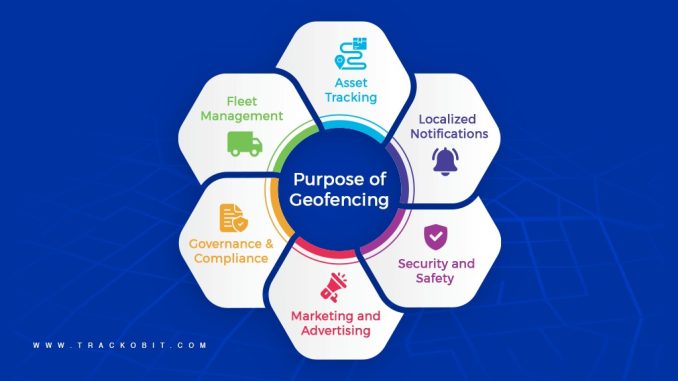
Geofencing is a technology that blends location awareness with automation, creating virtual boundaries around physical spaces to trigger specific actions when a device enters or exits those zones. At its core, geofencing uses GPS, RFID, Wi-Fi, or cellular data to define a geographic perimeter—often referred to as a “fence”—and then monitors when a connected device crosses that invisible line. While the concept may sound technical, its applications are surprisingly intuitive and increasingly woven into everyday business operations, marketing strategies, and consumer experiences.
The appeal of geofencing lies in its ability to deliver contextually relevant actions based on location. For businesses, this means being able to engage customers, manage assets, or streamline operations with precision. Imagine a retail brand that sends a promotional offer to a customer’s smartphone the moment they walk past a store. That’s geofencing in action—using proximity to drive engagement. It’s not just about pushing messages; it’s about timing them perfectly to increase relevance and conversion. In logistics, geofencing can alert warehouse staff when a delivery truck is approaching, allowing for smoother coordination and reduced wait times. These examples highlight how location-triggered automation can enhance both customer experience and operational efficiency.
In the realm of marketing, geofencing has become a powerful tool for personalization. Brands can create hyper-targeted campaigns that respond to a user’s physical movements. A coffee shop might set up a geofence around a busy commuter hub and offer discounts during morning rush hours. A fitness app could remind users to log their workout when they arrive at the gym. These interactions feel timely and tailored, which increases the likelihood of engagement. Importantly, geofencing doesn’t require users to actively check in or open an app—it works passively in the background, making it a seamless part of the digital experience.
Enterprise use cases extend beyond consumer engagement. In workforce management, geofencing can be used to monitor employee attendance or ensure compliance with location-based protocols. A construction company might use geofencing to verify that workers are on-site during scheduled hours, reducing manual tracking and improving accountability. Similarly, healthcare providers can use geofencing to support home care services, confirming that caregivers arrive and depart as expected. These applications demonstrate how geofencing can support operational transparency and reduce administrative overhead.
Security is another domain where geofencing plays a critical role. Organizations can set up geofences around sensitive areas to control access or trigger alerts. For example, if a mobile device enters a restricted zone without authorization, the system can notify security personnel or automatically disable certain functions. This kind of location-based control adds an extra layer of protection, especially in environments where data privacy or physical safety is paramount. It’s not just about knowing where something is—it’s about responding intelligently to that information.
Fleet management is a particularly compelling area for geofencing. Companies that operate delivery vehicles, service vans, or transportation fleets can use geofencing to monitor routes, optimize dispatching, and ensure timely arrivals. If a vehicle deviates from its expected path, the system can flag the anomaly and prompt a response. This helps reduce fuel costs, improve customer satisfaction, and maintain service standards. It also provides valuable data for performance analysis, allowing businesses to refine their logistics strategies over time.
One of the reasons geofencing has gained traction is its integration with mobile devices. Smartphones are ubiquitous, and their built-in location services make them ideal for geofencing applications. Whether through native apps or third-party platforms, businesses can tap into this capability to create dynamic, location-aware experiences. The technology is scalable, too—small businesses can use it to attract foot traffic, while large enterprises can deploy it across multiple regions to manage complex operations. The flexibility of geofencing makes it accessible and adaptable, regardless of industry or size.
However, with great power comes the need for responsible use. Geofencing raises important questions about privacy and consent. Users must be informed about how their location data is being used and given the option to opt out. Transparency is key to building trust, especially as consumers become more aware of data practices. Businesses that use geofencing ethically—by providing clear value and respecting user preferences—are more likely to foster long-term loyalty. It’s not just about what the technology can do; it’s about how it’s implemented.
As geofencing continues to evolve, its potential will expand alongside advancements in artificial intelligence and data analytics. Future systems may not only react to location but also anticipate behavior, offering even more personalized and proactive interactions. For instance, a smart home system could adjust lighting and temperature based on your arrival patterns, or a retail app could suggest products based on your browsing history and current location. These possibilities point to a future where geofencing is part of a broader ecosystem of intelligent automation.
In essence, geofencing is a bridge between the digital and physical worlds. It allows businesses to respond to real-world movements with digital precision, creating experiences that are timely, relevant, and efficient. Whether used for marketing, logistics, security, or customer service, geofencing offers a strategic advantage in a landscape where location matters more than ever. For business leaders, understanding and leveraging this technology is not just a technical decision—it’s a way to stay connected, competitive, and responsive in an increasingly mobile world.