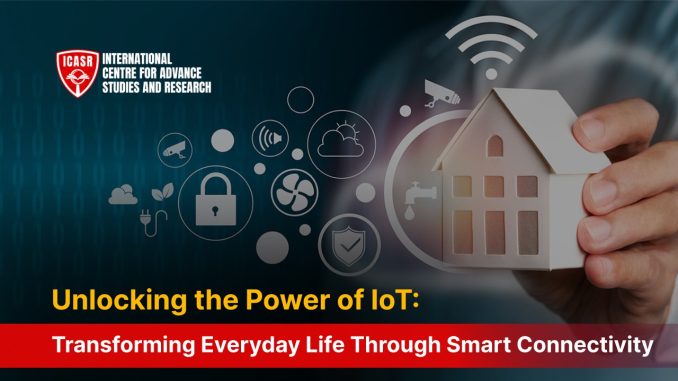
Smart devices have quietly become central to how we live, work, and interact with the world around us. From smartphones and smartwatches to voice assistants and connected appliances, these tools offer far more than convenience—they represent a shift toward a more responsive, personalized, and efficient lifestyle. Yet for many users, the full potential of these devices remains untapped. Unlocking their power requires not just technical understanding but a mindset that embraces integration, customization, and intentional use.
The journey begins with recognizing that smart devices are not isolated gadgets but part of a broader ecosystem. A smart thermostat, for instance, doesn’t just regulate temperature—it learns your habits, adjusts settings based on occupancy, and can be controlled remotely via your phone. When paired with other devices like smart lighting or security systems, it contributes to a cohesive home environment that adapts to your preferences. This kind of synergy is where the real magic happens. By connecting devices through platforms like Apple HomeKit, Google Home, or Amazon Alexa, users can create routines that automate daily tasks. Imagine waking up to a gradually brightening room, a freshly brewed cup of coffee, and a morning news briefing—all triggered by a single voice command or scheduled event.
In the workplace, smart devices are redefining productivity. Wearables track health metrics that influence energy levels and focus, while smart speakers facilitate hands-free communication and scheduling. Even something as simple as a smart pen can digitize handwritten notes and sync them across devices. These tools don’t just save time—they enhance the quality of work by reducing friction and enabling deeper concentration. For remote teams, smart cameras and collaboration hubs ensure seamless interaction, bridging the gap between physical and virtual spaces. The key is to move beyond basic functionality and explore how these devices can support specific goals, whether it’s improving workflow, enhancing wellness, or fostering creativity.
Security is another area where smart devices shine, though it’s often underappreciated. Smart locks, doorbells, and surveillance systems offer real-time monitoring and alerts, giving users peace of mind whether they’re at home or away. Integration with mobile apps allows for remote access and control, while AI-powered analytics can detect unusual activity and respond accordingly. Businesses benefit from similar capabilities, using smart systems to manage access, monitor premises, and ensure compliance. However, unlocking this power also means being vigilant about privacy. Users must understand how data is collected, stored, and shared, and take steps to secure their networks and devices. Strong passwords, regular updates, and awareness of permissions are essential to maintaining trust and safety.
Customization plays a pivotal role in maximizing the value of smart devices. Most come with default settings that are functional but generic. By diving into the settings and exploring advanced features, users can tailor their devices to fit their unique needs. A smartwatch, for example, can be configured to prioritize specific notifications, track custom fitness goals, and even control other devices. Similarly, smart speakers can be trained to recognize different voices, offer personalized responses, and manage household routines. This level of personalization transforms smart tech from a passive tool into an active partner, one that understands and anticipates your preferences.
Education and experimentation are crucial to this process. Many users stick to the basics simply because they’re unaware of what’s possible. Taking time to explore tutorials, user forums, and manufacturer resources can reveal hidden capabilities and inspire new use cases. For instance, a smart fridge might offer inventory tracking and recipe suggestions based on its contents—features that go unnoticed without a bit of digging. Likewise, smart TVs often include voice search, app integration, and screen mirroring that can enhance entertainment and productivity. The more users engage with their devices, the more intuitive and powerful they become.
The business implications of smart technology are equally compelling. Companies are leveraging connected devices to streamline operations, gather insights, and deliver personalized experiences. Retailers use smart sensors to manage inventory and optimize store layouts, while hospitality providers offer app-based room controls and concierge services. In manufacturing, smart machinery monitors performance and predicts maintenance needs, reducing downtime and improving efficiency. These applications demonstrate that smart devices are not just consumer novelties—they’re strategic assets that can drive innovation and competitive advantage.
Ultimately, unlocking the power of smart devices is about intentionality. It’s easy to accumulate gadgets without fully integrating them into daily life. The real value emerges when users take the time to understand their devices, connect them meaningfully, and align their use with personal or professional goals. This requires curiosity, patience, and a willingness to adapt. But the payoff is substantial: a lifestyle that is more efficient, secure, and responsive, supported by technology that works quietly and intelligently in the background.
As smart devices continue to evolve, their capabilities will expand, and their integration will deepen. The future promises even greater personalization, automation, and intelligence. But the foundation is already here, waiting to be activated. By embracing the potential of these tools today, users can not only simplify their routines but also enrich their experiences, turning everyday moments into opportunities for connection, insight, and growth.