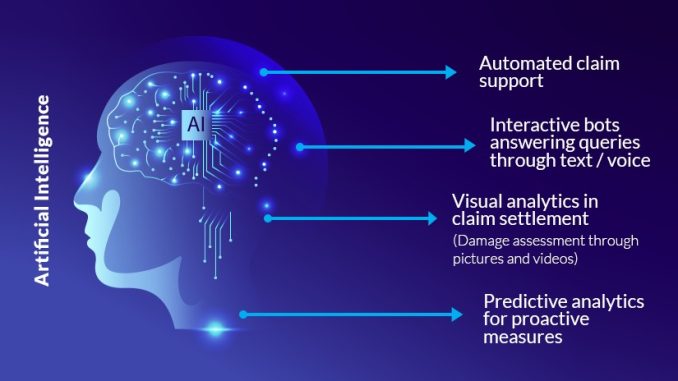
In recent years, artificial intelligence has emerged as a transformative force across a wide range of industries, and the insurance sector is no exception. Traditionally known for its reliance on historical data, actuarial tables, and human judgment, insurance is now undergoing a significant evolution. AI is reshaping how insurers assess risk, interact with customers, detect fraud, and manage claims. This shift is not merely about adopting new technology—it’s about reimagining the very foundation of how insurance operates in a digital age.
One of the most profound impacts of AI in insurance lies in underwriting, the process of evaluating risk and determining policy terms. Historically, underwriters would manually sift through vast amounts of data—medical records, driving histories, financial statements—to make informed decisions. Today, AI algorithms can analyze these data points in seconds, drawing from a broader and more nuanced set of variables. For instance, machine learning models can incorporate real-time data from wearable devices or telematics in cars to assess individual behavior more accurately. A driver who consistently obeys speed limits and avoids sudden braking may be offered a lower premium, while someone with erratic driving patterns might face higher rates. This level of personalization was simply not feasible with traditional methods.
Beyond underwriting, AI is revolutionizing customer service in insurance. Chatbots and virtual assistants, powered by natural language processing, are now capable of handling a wide array of customer inquiries—from policy explanations to claims status updates—without human intervention. These tools are available 24/7, offering convenience and reducing wait times. More importantly, they are continuously learning from interactions, becoming more adept at understanding context and providing relevant responses. For customers, this translates into a smoother, more responsive experience. For insurers, it means reduced operational costs and the ability to allocate human agents to more complex tasks that require empathy and nuanced judgment.
Claims processing, often a pain point for policyholders, is another area where AI is making significant strides. Traditionally, filing a claim could be a cumbersome process involving paperwork, phone calls, and long wait times. AI streamlines this by automating much of the workflow. For example, image recognition technology can assess damage from photos submitted via a mobile app, estimating repair costs and even approving claims within minutes. In cases of natural disasters, drones equipped with AI can survey affected areas, providing insurers with rapid assessments that would otherwise take days. This not only accelerates the claims process but also enhances accuracy and fairness, reducing the likelihood of disputes.
Fraud detection is a perennial challenge in the insurance industry, costing billions annually. AI offers a powerful tool in this fight. By analyzing patterns across vast datasets, AI systems can flag anomalies that might indicate fraudulent activity. For instance, if a claimant has a history of frequent claims or if the details of a new claim closely resemble known fraudulent cases, the system can alert investigators for further review. Unlike traditional methods that rely heavily on manual audits, AI can continuously monitor transactions in real time, making it far more effective at catching fraud early and minimizing losses.
The integration of AI also opens up new possibilities for product innovation. Insurers can now design dynamic policies that adapt to changing customer behavior. Consider usage-based insurance, where premiums are adjusted based on how often and how safely a person drives. Or health insurance plans that offer incentives for maintaining a healthy lifestyle, tracked through fitness apps and wearables. These models not only align better with individual risk profiles but also encourage positive behavior, creating a win-win for both insurers and policyholders.
However, the adoption of AI in insurance is not without its challenges. Data privacy and ethical considerations loom large, especially when dealing with sensitive personal information. Insurers must navigate a complex regulatory landscape to ensure compliance while maintaining customer trust. There’s also the risk of algorithmic bias—if the data used to train AI models reflects historical inequalities, the outcomes may inadvertently perpetuate them. Addressing these concerns requires transparency, robust governance, and a commitment to fairness in model development and deployment.
Moreover, while AI can automate many functions, it cannot replace the human touch entirely. Insurance, at its core, is about trust and relationships. When a customer experiences a loss—be it a car accident, a health crisis, or property damage—they often seek empathy and reassurance, not just efficiency. Successful insurers will be those who strike the right balance between automation and human interaction, leveraging AI to enhance rather than replace the human element.
The role of AI in modern insurance is both expansive and evolving. It’s not just a tool for efficiency—it’s a catalyst for rethinking how insurance is delivered, experienced, and perceived. As technology continues to advance, the insurers that embrace AI thoughtfully and ethically will be best positioned to meet the changing expectations of customers and the demands of a rapidly shifting risk landscape. In doing so, they won’t just keep pace with innovation—they’ll help define the future of the industry.