Insurance has long been more than a financial product; it is a structural force that shapes how societies respond to risk and uncertainty. Its influence extends into the realm of public policy, where decisions about regulation, social welfare, and economic stability are often intertwined with the mechanisms of insurance. By providing a framework for managing risk, insurance not only protects individuals and businesses but also informs the way governments design policies to address broader societal challenges.
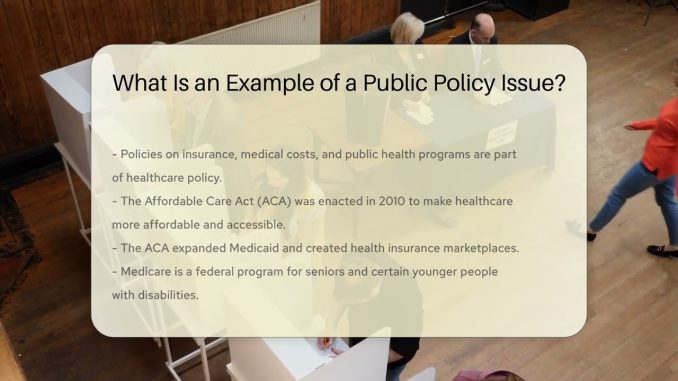
One of the most visible intersections between insurance and public policy lies in healthcare. The availability and affordability of health insurance directly influence how governments approach healthcare reform, subsidies, and regulation. Policymakers must balance the interests of insurers, providers, and patients while ensuring that coverage remains accessible. Insurance systems, whether public or private, become instruments of policy, shaping outcomes in public health, workforce productivity, and social equity. The debates surrounding healthcare coverage often highlight how deeply insurance is embedded in the policy landscape.
Insurance also plays a critical role in disaster management and climate policy. Natural disasters such as floods, hurricanes, and wildfires create immense financial strain, and governments often rely on insurance markets to absorb part of the burden. Public policy in this area frequently involves partnerships between insurers and governments, with subsidies or reinsurance programs designed to keep coverage affordable in high-risk regions. These arrangements influence how communities prepare for disasters, how resources are allocated, and how resilience is built into infrastructure planning. In this way, insurance becomes a tool for implementing climate adaptation strategies.
Economic stability is another area where insurance intersects with public policy. By reducing the financial impact of accidents, illnesses, or business interruptions, insurance helps maintain consumer confidence and business continuity. Governments recognize this stabilizing effect and often design policies that encourage or mandate coverage in certain sectors. For example, compulsory auto insurance ensures that victims of accidents are compensated, reducing the burden on public welfare systems. Such mandates reflect the recognition that insurance serves a public good, aligning private risk management with societal stability.
The influence of insurance extends into labor and employment policy. Workers’ compensation insurance, for instance, is a product of public policy designed to protect employees while limiting employer liability. By requiring coverage, governments create a framework that balances the interests of workers and businesses, ensuring that workplace injuries are addressed fairly. This policy-driven insurance model demonstrates how governments use insurance to enforce standards of safety and accountability in the labor market.
Insurance also shapes financial regulation and consumer protection. Policymakers often rely on insurance requirements to safeguard against systemic risks in industries such as banking, construction, and transportation. By mandating coverage, governments ensure that businesses can withstand shocks without collapsing, thereby protecting consumers and maintaining trust in markets. These policies highlight the dual role of insurance as both a private contract and a public safeguard, reinforcing stability across sectors.
The psychological dimension of insurance’s impact on public policy should not be overlooked. Citizens who feel secure in their coverage are more likely to support policies that encourage innovation and risk-taking. Conversely, gaps in insurance can lead to public demand for stronger government intervention. Policymakers must navigate these sentiments, recognizing that insurance coverage influences not only economic behavior but also political attitudes. The presence or absence of insurance can shape public opinion on issues ranging from healthcare reform to disaster preparedness.
Technology is adding new layers to the relationship between insurance and public policy. Digital platforms, data analytics, and artificial intelligence are transforming how insurers assess risk and deliver coverage. Policymakers must adapt regulations to ensure that these innovations serve the public interest, addressing concerns about privacy, fairness, and accessibility. Insurance becomes a testing ground for broader policy debates about technology, data governance, and equity in the digital age.
Global crises have further underscored the importance of insurance in public policy. The COVID-19 pandemic revealed vulnerabilities in health, business interruption, and supply chain coverage, prompting governments to reconsider how insurance systems interact with public welfare. Policy responses included subsidies, emergency programs, and regulatory adjustments, all designed to stabilize insurance markets and protect citizens. These experiences highlight how insurance is not just a private matter but a public necessity in times of crisis.
The role of insurance in public policy also extends to international cooperation. Global trade, investment, and development often depend on insurance frameworks that manage cross-border risks. Governments collaborate with insurers to create policies that facilitate commerce while protecting against geopolitical instability. This cooperation demonstrates how insurance supports not only domestic policy goals but also international stability and growth.
Looking ahead, the relationship between insurance and public policy will continue to evolve as societies confront new challenges. Climate change, technological disruption, and demographic shifts will require innovative insurance solutions that align with public objectives. Policymakers will need to balance affordability, accessibility, and sustainability, ensuring that insurance remains a tool for resilience rather than a source of inequality. The adaptability of insurance will be central to its ongoing role in shaping public policy.
Ultimately, insurance is more than a financial safeguard; it is a cornerstone of governance. By managing risk, stabilizing economies, and influencing behavior, insurance informs the way governments design and implement policy. Its impact is felt across healthcare, disaster management, labor, finance, and international relations, making it an indispensable part of the public policy toolkit. In a world defined by uncertainty, insurance provides the foundation for stability, resilience, and progress, ensuring that societies can navigate risks while pursuing collective goals.