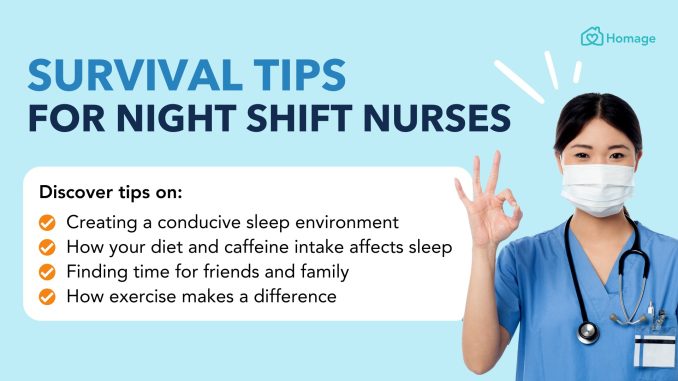
Working night shifts, a necessity for countless professionals across critical industries from healthcare and public safety to logistics and manufacturing, presents a unique and often formidable challenge to an individual’s health. Our bodies are intricately wired to a circadian rhythm, a natural internal clock that dictates our sleep-wake cycle, hormone release, and metabolic processes based on a 24-hour light-dark cycle. When this rhythm is constantly disrupted by working through the night and attempting to sleep during the day, the consequences can range from persistent fatigue and mood disturbances to a significantly increased risk of chronic health conditions. However, while the challenges are real, adapting your lifestyle with strategic foresight and diligent self-care can mitigate many of these negative effects, making it possible to maintain robust health even while navigating a nocturnal professional life.
One of the most critical aspects of staying healthy on night shifts is **prioritizing and optimizing sleep**. This goes beyond simply getting enough hours; it’s about making those daytime sleep hours as restorative as possible. Upon returning home after a night shift, the goal is to create a sleep environment that mimics nighttime. This means investing in blackout curtains or blinds to block out all natural light, using earplugs or a white noise machine to muffle daytime sounds, and ensuring the room is cool and comfortable. Communicate your sleep schedule to family and friends to minimize interruptions. It is also crucial to establish a consistent sleep routine, even on days off, to help your body adapt to the altered schedule. While tempting, avoid caffeine several hours before your intended sleep time, and be mindful of heavy meals, which can disrupt sleep quality. Treating daytime sleep with the same respect and preparation as nighttime sleep is paramount for allowing your body to recover effectively.
Beyond sleep, **strategic nutrition and hydration** play a vital role in sustaining energy and health during night shifts. The body’s digestive system also operates on a circadian rhythm, slowing down at night. Consequently, heavy, greasy meals during a night shift can lead to digestive discomfort, lethargy, and contribute to weight gain. Opt for smaller, more frequent, and easily digestible meals rich in lean proteins, complex carbohydrates, and vegetables. Think about packing healthy snacks like fruits, nuts, and yogurt. Staying well-hydrated is also crucial, as dehydration can exacerbate fatigue and affect concentration. While it’s tempting to rely on sugary drinks or excessive caffeine to stay alert, these can lead to energy crashes and further disrupt sleep patterns later. Instead, prioritize water, herbal teas, and natural fruit juices. Being mindful of *when* you eat is almost as important as *what* you eat, aiming for lighter options during peak shift hours and a more substantial, but still healthy, meal upon waking.
Maintaining **physical activity** can be particularly challenging for night shift workers, but it’s essential for both physical and mental well-being. Regular exercise helps regulate mood, boosts energy levels, and can even improve sleep quality. The key is to find a time that works consistently within your altered schedule. Some night shifters prefer to exercise shortly after waking, before their shift, to energize themselves. Others find a post-shift workout helps them wind down before sleep. The type of exercise can vary, from cardio to strength training, but consistency is more important than intensity. Even a brisk walk in natural light (if possible, perhaps upon waking) can help reset your circadian rhythm and boost vitamin D levels, which are often lower in night shift workers due to reduced sun exposure. Adapting your exercise routine to fit your unique schedule is critical to ensuring it remains a sustainable part of your health regimen.
Finally, addressing **social and mental well-being** is paramount for night shift workers. The unconventional hours can lead to feelings of isolation and make it challenging to maintain social connections with friends and family who operate on a different schedule. Actively seeking out opportunities for social engagement during your waking hours, even if it’s just a virtual catch-up, is important. Joining groups or activities that cater to diverse schedules, or connecting with other night shift workers, can help foster a sense of community. Moreover, paying attention to your mental health is crucial. The disruption to circadian rhythms can increase the risk of mood disorders. If you experience persistent feelings of sadness, irritability, or hopelessness, or struggle with anxiety, seeking support from a mental health professional is vital. Sunlight exposure, or light therapy lamps, can also be beneficial in combating symptoms of seasonal affective disorder (SAD) or general fatigue associated with reduced daylight exposure. By adopting a holistic approach that prioritizes optimized sleep, mindful nutrition, consistent physical activity, and proactive mental and social engagement, night shift workers can navigate their unique professional demands while safeguarding their long-term health and well-being.