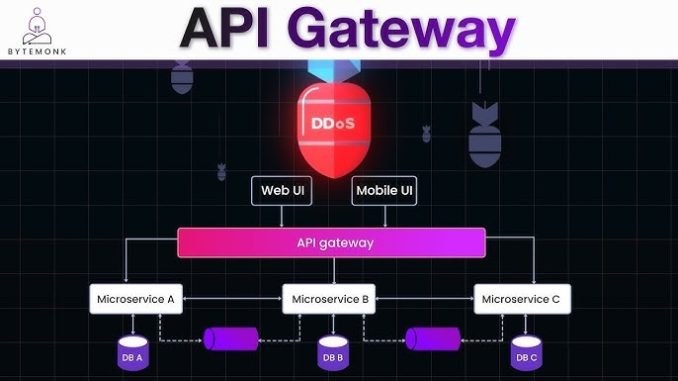
In the modern digital ecosystem, API gateways have become indispensable components for organizations that rely on interconnected services and applications. They serve as the central entry point for managing, securing, and optimizing traffic between clients and backend systems. Designing an efficient API gateway is not just a technical exercise; it is a strategic decision that influences scalability, user experience, and overall business agility. When done well, an API gateway can transform how services are delivered, ensuring that performance and reliability remain consistent even as demand grows.
Efficiency in API gateway design begins with understanding its role as a mediator. The gateway is responsible for routing requests, enforcing policies, and handling authentication, all while minimizing latency. If the design introduces unnecessary complexity, the gateway itself can become a bottleneck. The challenge lies in balancing functionality with simplicity, ensuring that the gateway provides essential features without slowing down the flow of information. This requires careful consideration of architecture, protocols, and integration points to maintain speed and responsiveness.
Scalability is one of the most critical aspects of efficiency. As businesses expand, the number of API calls can increase exponentially. A well-designed gateway must be able to handle spikes in traffic without compromising performance. This often involves implementing load balancing, caching, and rate limiting to distribute requests evenly and prevent overload. By anticipating growth and designing for elasticity, organizations can avoid costly downtime and maintain consistent service delivery even under heavy demand.
Security is another cornerstone of efficient API gateway design. With sensitive data flowing through APIs, gateways must enforce robust authentication and authorization mechanisms. Token-based systems, encryption, and compliance with industry standards are essential to protect against breaches. However, security measures must be implemented in a way that does not hinder performance. Efficient gateways strike a balance by integrating lightweight yet effective security protocols that safeguard data while keeping response times fast. This balance ensures that users experience seamless interactions without compromising trust.
Monitoring and analytics play a vital role in maintaining efficiency over time. An API gateway should provide visibility into traffic patterns, error rates, and latency. These insights allow organizations to identify bottlenecks, optimize performance, and predict future needs. Without monitoring, inefficiencies can go unnoticed until they escalate into major issues. By embedding analytics into the gateway design, businesses gain the ability to make data-driven decisions that enhance both technical operations and customer satisfaction.
Flexibility is equally important in gateway design. APIs often evolve as business requirements change, and the gateway must adapt without requiring complete overhauls. Supporting multiple protocols, versioning, and backward compatibility ensures that services remain accessible even as they are updated. This adaptability reduces friction for developers and users alike, making the gateway a reliable foundation for innovation. Efficiency is not just about speed; it is also about minimizing disruption when systems evolve.
The user experience is directly influenced by the efficiency of the API gateway. Latency, reliability, and error handling all shape how customers perceive digital services. A gateway that responds quickly, manages failures gracefully, and provides consistent performance enhances customer trust and engagement. Conversely, inefficiencies can lead to frustration, abandoned transactions, and reputational damage. Designing with the end user in mind ensures that technical decisions translate into tangible business outcomes.
Cost efficiency is another dimension that organizations must consider. Inefficient gateways can lead to excessive resource consumption, driving up infrastructure expenses. By optimizing routing, caching, and request handling, businesses can reduce operational costs while maintaining high performance. This financial efficiency is particularly important for organizations operating at scale, where even small improvements in gateway design can translate into significant savings over time.
Collaboration between technical and business teams is essential in designing efficient gateways. Developers may focus on performance and scalability, while business leaders emphasize customer experience and compliance. Bringing these perspectives together ensures that the gateway meets both technical and strategic objectives. Efficiency is achieved not only through engineering excellence but also through alignment with broader organizational goals.
Innovation in gateway design continues to evolve with emerging technologies. The rise of microservices, serverless computing, and edge architectures introduces new demands on gateways. Efficient designs must accommodate these trends, supporting decentralized environments while maintaining centralized control. This forward-looking approach ensures that gateways remain relevant as technology landscapes shift, providing organizations with the agility to embrace new opportunities without sacrificing stability.
Testing and iteration are critical to achieving efficiency. Gateways should be subjected to rigorous performance testing under various conditions to identify weaknesses. Continuous improvement, informed by monitoring and feedback, allows organizations to refine their designs over time. Efficiency is not a static achievement but an ongoing process of optimization that adapts to changing demands and technologies.
Ultimately, designing an efficient API gateway is about creating a system that balances speed, security, scalability, and adaptability. It requires a holistic approach that considers technical architecture, user experience, and business strategy. When organizations invest in thoughtful gateway design, they build a foundation that supports innovation, enhances customer trust, and reduces operational costs. Efficiency in this context is not just a technical metric; it is a driver of business success in an increasingly interconnected world.
The future of API gateways will likely involve even greater emphasis on automation and intelligence. As machine learning and predictive analytics become integrated into gateway operations, efficiency will be enhanced through proactive optimization and self-healing capabilities. Organizations that embrace these advancements will be better positioned to deliver seamless digital experiences while managing complexity behind the scenes. In this way, efficient API gateways will continue to serve as the backbone of modern digital ecosystems, enabling businesses to thrive in a landscape defined by speed, scale, and innovation.