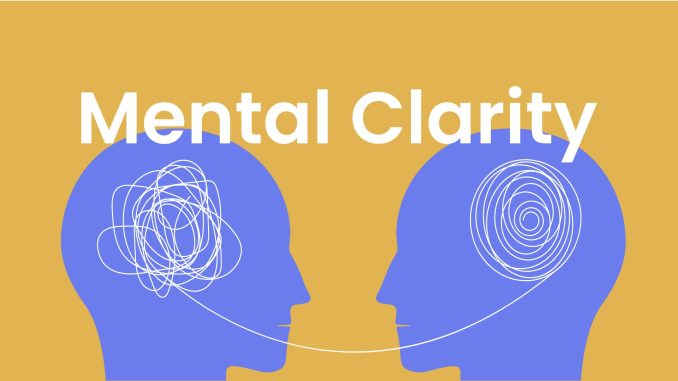
In today’s fast-paced business environment, overwhelm has become a familiar companion. The constant influx of emails, meetings, deadlines, and shifting priorities can leave even the most capable professionals feeling scattered and reactive. It’s not just the volume of tasks that creates pressure—it’s the mental clutter that comes from trying to juggle too many things at once without a clear sense of direction. Moving from overwhelm to clarity isn’t about doing more or working harder. It’s about finding your flow—a state where focus, energy, and purpose align, allowing you to perform at your best without burning out.
Flow isn’t reserved for artists or athletes. In business, it’s the sweet spot where productivity meets ease. It’s when you’re fully engaged in a task, time seems to fade, and progress feels natural. But reaching that state requires more than luck. It starts with awareness. Recognizing when you’re overwhelmed is the first step. Often, the signs are subtle: difficulty concentrating, constant switching between tasks, or a lingering sense of anxiety. These signals aren’t failures—they’re invitations to pause and recalibrate. Clarity begins when you step back and ask what truly matters right now.
One of the most effective ways to regain clarity is to reconnect with your priorities. Not all tasks carry equal weight, and not every demand deserves your immediate attention. When everything feels urgent, nothing truly gets the focus it deserves. Taking time to identify your most meaningful goals helps filter out the noise. For example, a manager facing a packed schedule might realize that mentoring a new team member has a greater long-term impact than attending another status meeting. By aligning actions with purpose, you begin to shift from reactive to intentional. That shift is where flow begins to take root.
Structure plays a vital role in creating space for clarity. While flexibility is important, having a rhythm to your day can reduce decision fatigue and increase focus. This doesn’t mean rigid routines—it means thoughtful planning. Blocking time for deep work, setting boundaries around meetings, and creating buffers for reflection can transform how you experience your workload. A business owner who starts each day reviewing their top three priorities is more likely to stay grounded, even when unexpected challenges arise. Structure isn’t about control—it’s about creating conditions where clarity can flourish.
Technology, while a powerful tool, can also be a source of overwhelm. Notifications, platforms, and digital distractions often pull attention in multiple directions. Finding your flow may require rethinking how you engage with technology. Turning off alerts, simplifying your toolset, or scheduling focused time away from screens can dramatically improve mental clarity. It’s not about rejecting technology—it’s about using it with intention. When tools serve your goals rather than dictate your behavior, you regain control over your attention and energy.
Mindset is another critical factor. Overwhelm often stems from a belief that you must do everything, please everyone, or avoid mistakes at all costs. These internal pressures can be more draining than external demands. Cultivating a mindset of progress over perfection, and of boundaries over burnout, allows you to approach work with greater ease. A team leader who encourages experimentation and accepts that not every initiative will succeed creates a culture where flow is possible. When people feel safe to focus, explore, and learn, they’re more likely to find clarity in their work.
Communication also plays a role in reducing overwhelm. Misalignment, unclear expectations, and lack of feedback can create confusion and stress. Clear, honest conversations help clarify roles, priorities, and timelines. They also foster trust, which is essential for flow. When teams communicate openly, they spend less time second-guessing and more time executing. A project manager who regularly checks in with stakeholders and adjusts plans based on feedback is better equipped to maintain momentum. Clarity isn’t just an individual pursuit—it’s a collective practice.
Reflection is often overlooked but deeply powerful. Taking time to pause, review, and learn from experience helps refine your approach and deepen your understanding. Whether it’s a weekly review, a quiet moment at the end of the day, or a conversation with a mentor, reflection creates space for insight. It allows you to see patterns, celebrate progress, and adjust course. A business strategist who journals their thoughts after key meetings may uncover blind spots or new opportunities. Reflection turns experience into wisdom, and wisdom is the foundation of clarity.
Ultimately, finding your flow is not a destination—it’s a practice. It’s about cultivating habits, environments, and mindsets that support clarity and engagement. It’s about recognizing when you’re off track and knowing how to return. In a world that often rewards hustle over harmony, choosing flow is a bold and strategic move. It allows you to lead with intention, work with purpose, and navigate complexity with grace. And when you operate from a place of clarity, you don’t just get more done—you do what matters most.