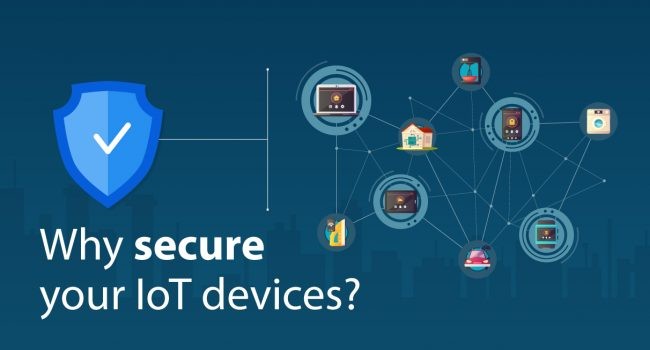
The rise of the Internet of Things has transformed the way businesses and individuals interact with technology. From smart sensors in manufacturing plants to connected appliances in homes, IoT devices are now woven into the fabric of daily operations and lifestyles. Their ability to collect data, automate processes, and provide real-time insights makes them invaluable. Yet, with this growing reliance comes an equally pressing need to protect them. Insuring your IoT devices is not about a traditional policy alone, but about building safeguards that ensure these tools remain reliable, secure, and resilient.
One of the most important aspects of insuring IoT devices is recognizing their vulnerability. Unlike traditional hardware, IoT devices are constantly connected, which makes them susceptible to cyberattacks, data breaches, and unauthorized access. A compromised device can serve as an entry point into larger networks, exposing sensitive information or disrupting operations. Protecting against these risks requires a proactive approach to security, including strong authentication, encrypted communication, and regular updates. By embedding security into the lifecycle of IoT devices, organizations insure themselves against the potential fallout of a breach.
Reliability is another critical dimension. IoT devices often perform tasks that are essential to business continuity, such as monitoring supply chains or controlling energy systems. If these devices fail, the consequences can be significant. Insuring reliability means investing in quality hardware, maintaining redundancy, and monitoring performance. It also involves planning for contingencies, ensuring that if one device fails, another can take over seamlessly. This resilience insures the organization against downtime and protects the trust of customers who depend on uninterrupted service.
Data integrity plays a central role in insuring IoT devices. These systems generate vast amounts of information, which is often used to make strategic decisions. If the data is inaccurate or corrupted, the insights derived from it can lead to costly mistakes. Safeguarding data integrity requires validation mechanisms, secure storage, and careful management of transmission channels. By ensuring that the information collected is accurate and trustworthy, organizations insure their IoT investments against poor decision-making and operational inefficiencies.
Documentation provides another layer of insurance. IoT ecosystems can be complex, with multiple devices, platforms, and integrations working together. Without clear documentation, troubleshooting becomes difficult and knowledge gaps emerge when personnel change. Documenting configurations, dependencies, and maintenance procedures insures the system against confusion and ensures that it can be managed effectively over time. This practice transforms IoT devices from isolated tools into sustainable assets that can evolve with the organization.
Cost management is an often-overlooked aspect of insuring IoT devices. While these tools can deliver efficiency gains, they also consume resources, from bandwidth to cloud storage. Poorly optimized deployments can lead to escalating expenses. Insuring against financial risk requires monitoring usage, optimizing configurations, and setting budgets. This discipline ensures that IoT remains a cost-effective solution rather than a drain on resources, protecting both the organization’s finances and its long-term strategy.
Collaboration is another safeguard. IoT devices often span multiple departments, from IT to operations to customer service. Misalignment between these groups can lead to inefficiencies or overlooked risks. Insuring IoT systems means fostering collaboration across teams, ensuring that everyone understands the role of connected devices and contributes to their management. This collective ownership insures the organization against siloed thinking and strengthens the resilience of the overall ecosystem.
Flexibility is essential for insuring IoT devices. Technology evolves rapidly, and devices that are rigid or incompatible with new standards risk becoming obsolete. Designing systems with modularity and adaptability insures them against irrelevance. Flexible architectures allow organizations to integrate new devices, update protocols, and expand capabilities without discarding existing investments. This adaptability insures the long-term value of IoT deployments and ensures they remain aligned with changing business needs.
Monitoring and observability provide another safeguard. IoT devices often operate quietly in the background, and failures may go unnoticed until they cause significant disruption. Insuring them requires integrating monitoring tools that track performance, detect anomalies, and provide alerts. Observability ensures that issues are identified early and addressed before they escalate. This visibility insures the organization against hidden risks and reinforces confidence in the reliability of connected systems.
Training and awareness also contribute to insurance. Employees who interact with IoT devices must understand their importance, risks, and proper usage. Without adequate training, devices may be misconfigured or neglected, exposing the organization to vulnerabilities. By investing in education and fostering awareness, organizations insure themselves against human error. This cultural commitment ensures that IoT devices are treated with the care they deserve and remain effective over time.
Legal and compliance considerations add another dimension. IoT devices often collect personal or sensitive data, which is subject to regulations. Missteps in compliance can lead to fines and reputational harm. Insuring IoT systems requires understanding these regulations and designing devices to adhere to them. This legal awareness protects both the organization and its customers, ensuring that connected systems operate responsibly and sustainably.
Community engagement can also serve as insurance. IoT technologies benefit from active ecosystems of developers, vendors, and users who share knowledge and best practices. Engaging with these communities insures organizations against blind spots and provides access to collective wisdom. A strong community reinforces the credibility of IoT deployments and ensures that they remain connected to evolving standards and innovations.
Ultimately, insuring your IoT devices is about resilience, foresight, and responsibility. It is about recognizing their importance, embedding safeguards into their design, and maintaining practices that protect their value. By focusing on security, reliability, data integrity, documentation, cost management, collaboration, flexibility, monitoring, training, compliance, and community, organizations can insure their IoT devices against failure. In doing so, they transform fragile tools into durable assets that support innovation, efficiency, and trust in a connected world.