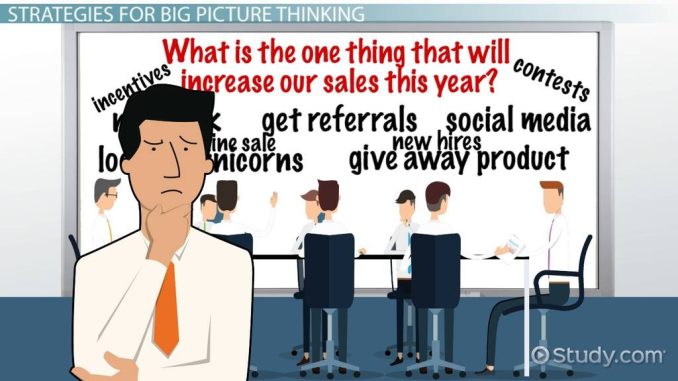
In the daily grind of running a business, big-picture thinking often gets pushed to the margins. The urgent crowds out the important, and before long, strategy takes a backseat to execution. Yet the ability to step back, reflect, and think broadly is what separates reactive businesses from visionary ones. Big-picture thinking isn’t a luxury—it’s a necessity. It’s how leaders anticipate change, align efforts, and make decisions that shape the future rather than just manage the present. The challenge is not whether it’s valuable, but how to make time for it in a world that constantly demands attention.
One of the first steps in creating space for strategic thought is recognizing its role in long-term success. It’s easy to justify skipping reflection when deadlines loom and inboxes overflow. But without regular time to consider direction, priorities, and possibilities, businesses risk drifting. A founder might spend months optimizing operations only to realize they’ve lost sight of market shifts or emerging customer needs. That realization often comes too late. By carving out time for big-picture thinking, leaders stay connected to their purpose and better equipped to guide their teams through complexity.
Making time for strategy requires intentionality. It doesn’t happen by accident or fit neatly into leftover hours. It needs to be scheduled, protected, and treated with the same importance as any other critical task. This might mean setting aside a few hours each week for reflection, planning, or exploration. It could involve regular off-site sessions, quiet mornings, or even structured conversations with peers. The format matters less than the commitment. A CEO who blocks Friday afternoons for strategic review sends a clear message—to themselves and their team—that thinking ahead is part of the job, not a distraction from it.
Creating mental space is just as important as creating calendar space. Big-picture thinking requires a different mindset than day-to-day execution. It’s slower, more exploratory, and often less immediately satisfying. Leaders need to shift gears, quiet the noise, and allow themselves to think without the pressure of instant results. This can be difficult in fast-paced environments, but it’s essential. A marketing director might find that their best ideas come during a walk or while reading outside their industry. These moments of detachment allow for synthesis, creativity, and fresh perspective. They’re not wasted time—they’re fertile ground for insight.
Delegation plays a key role in freeing up time for strategic thought. When leaders try to do everything themselves, they become bottlenecks and lose the bandwidth for reflection. Trusting others to handle operational tasks creates room to focus on direction and growth. This doesn’t mean stepping away entirely—it means shifting focus. A business owner who empowers their team to manage daily logistics can spend more time exploring partnerships, evaluating trends, or refining their vision. That shift benefits the entire organization, as decisions become more thoughtful and aligned with long-term goals.
Big-picture thinking also benefits from structure. While creativity thrives in open space, strategy needs framing. Leaders can use tools like SWOT analysis, scenario planning, or vision mapping to guide their thinking. These frameworks don’t constrain ideas—they organize them. They help translate broad concepts into actionable insights and ensure that reflection leads to progress. A product manager might use quarterly strategy sessions to assess market positioning, customer feedback, and competitive dynamics. That structured approach turns abstract thinking into concrete direction, making it easier to communicate and execute.
Collaboration enhances strategic thinking as well. While reflection is often solitary, big-picture ideas gain depth through dialogue. Engaging with others—whether through brainstorming, feedback, or debate—reveals blind spots and strengthens ideas. A leadership team that regularly discusses strategy builds shared understanding and alignment. These conversations don’t have to be formal; they can happen over lunch, during retreats, or in dedicated meetings. What matters is the openness to explore, challenge, and refine. When strategy becomes a shared language, it becomes more powerful and more actionable.
Importantly, big-picture thinking should be connected to purpose. It’s not just about growth or innovation—it’s about meaning. Leaders who reflect on why their business exists, what impact they want to have, and how they want to evolve bring depth to their decisions. This kind of thinking inspires teams, attracts customers, and sustains momentum. A nonprofit director who revisits the organization’s mission during planning ensures that every initiative serves a larger goal. That clarity strengthens strategy and makes execution more purposeful.
In a world that rewards speed and productivity, making time for big-picture thinking can feel counterintuitive. But it’s precisely this kind of reflection that enables businesses to move with intention rather than inertia. It’s how leaders stay ahead of change, connect with their vision, and guide their teams with clarity. The time spent thinking broadly is not time lost—it’s time invested. And in the long run, it’s what allows businesses to grow not just bigger, but better.