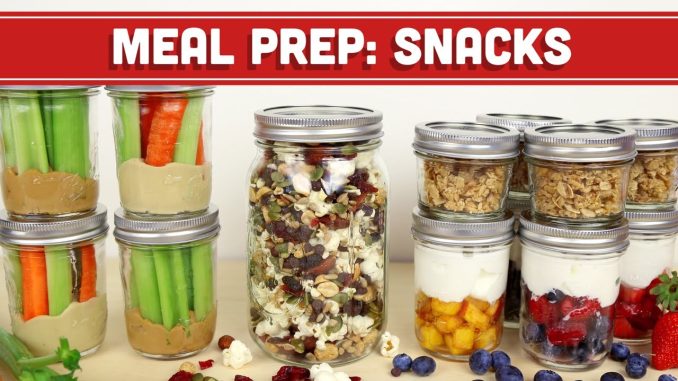
Prepping healthy snacks for the week is one of those small but impactful habits that can make a significant difference in both personal well-being and professional performance. In the fast-paced rhythm of modern work life, it’s easy to reach for whatever is convenient—often processed, sugar-laden options that offer a quick fix but little nutritional value. By taking a proactive approach to snack preparation, individuals can fuel their bodies and minds with foods that support sustained energy, focus, and overall health. The process doesn’t require elaborate planning or culinary expertise; it simply calls for intention, consistency, and a bit of creativity.
The first step in successful snack prep is understanding your own schedule and needs. Not everyone has the same energy dips or hunger cues throughout the day. Some people need a mid-morning boost to stay sharp during meetings, while others find themselves reaching for something in the late afternoon to power through the final stretch. Identifying these patterns helps tailor your snack choices to your lifestyle. For example, someone who tends to feel sluggish around 3 p.m. might benefit from a protein-rich option like Greek yogurt or a handful of almonds, while someone who prefers lighter fare in the morning might opt for fresh fruit or sliced vegetables.
Once you’ve mapped out your snack needs, the next consideration is variety. Eating the same thing every day can lead to boredom and reduce the likelihood of sticking with the habit. Incorporating a mix of flavors, textures, and nutrients keeps things interesting and ensures a more balanced intake. A combination of sweet and savory options, crunchy and creamy textures, and different food groups can make snack time something to look forward to rather than a chore. For instance, pairing apple slices with nut butter offers both fiber and healthy fats, while hummus with carrot sticks provides protein and crunch. These combinations are simple but satisfying, and they can be prepared in advance with minimal effort.
Efficiency is key when prepping snacks for the week. Setting aside a dedicated time—perhaps Sunday afternoon or Monday evening—can streamline the process and reduce decision fatigue during the week. Batch-prepping ingredients like chopped vegetables, boiled eggs, or portioned nuts allows for quick assembly and easy access. Using clear containers or labeling portions can help maintain organization and prevent overconsumption. For professionals juggling meetings, deadlines, and travel, having ready-to-go snacks eliminates the need to rely on vending machines or convenience stores, which often lack nutritious options.
Storage plays an important role in maintaining freshness and appeal. Choosing the right containers—whether glass jars, reusable silicone bags, or stackable plastic tubs—can preserve texture and flavor. Refrigerated items like yogurt or cheese should be kept in insulated bags if taken to the office, while dry snacks like trail mix or whole-grain crackers can be stored in desk drawers. The goal is to make healthy choices as accessible as possible, reducing the friction between intention and action. When snacks are visible, easy to grab, and enjoyable to eat, they become a natural part of the daily routine.
Mindful portioning is another aspect to consider. It’s easy to underestimate how much we consume when snacking, especially during busy workdays or while multitasking. Pre-portioning snacks into individual servings helps maintain awareness and supports nutritional goals. This doesn’t mean rigid calorie counting, but rather a thoughtful approach to balance. A small container of mixed berries, a few slices of cheese, or a measured scoop of trail mix can satisfy hunger without leading to overindulgence. This kind of portion control mirrors the discipline seen in business planning—allocating resources wisely to achieve desired outcomes.
Incorporating seasonal ingredients can enhance both flavor and nutrition. Fresh produce that’s in season tends to be more affordable, more flavorful, and often more nutrient-dense. In the summer, watermelon cubes or cucumber slices can be refreshing and hydrating. In the fall, roasted chickpeas with warming spices or apple chips can offer comfort and crunch. These seasonal shifts keep snack prep aligned with nature’s rhythm and add a layer of enjoyment to the process. For professionals who spend much of their time indoors or in front of screens, connecting with seasonal foods can be a subtle but meaningful way to stay grounded.
Preparation also offers an opportunity to involve others, whether family members, roommates, or colleagues. Sharing the task or exchanging ideas can make the process more enjoyable and introduce new perspectives. A coworker might suggest a snack combination you hadn’t considered, or a partner might help with chopping and packaging. This collaborative approach mirrors team dynamics in business—leveraging diverse input to create better outcomes. It also reinforces accountability, making it more likely that the habit will stick.
Ultimately, prepping healthy snacks for the week is about more than just food. It’s a form of self-care that supports physical health, mental clarity, and emotional well-being. It’s a way of saying that your energy and focus matter, and that you’re willing to invest a little time to protect them. In a business context, where performance and resilience are constantly tested, these small acts of preparation can yield significant dividends. They help create a foundation of stability and intention, allowing you to show up fully—whether in meetings, creative sessions, or moments of quiet reflection. With a little planning and a lot of purpose, healthy snacking becomes not just a habit, but a strategy for thriving.