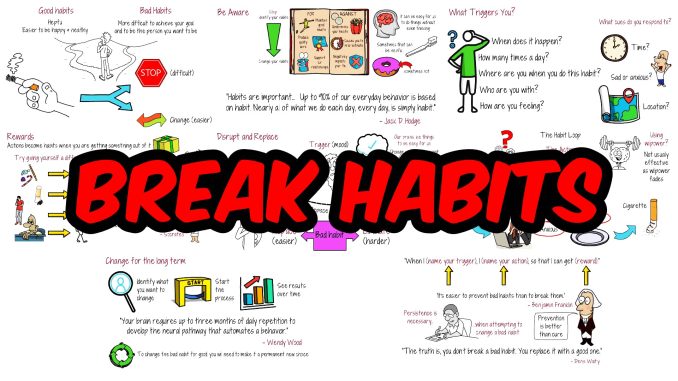
Changing habits is rarely about willpower alone. It’s about understanding the underlying patterns that drive behavior and then intentionally reshaping those patterns to support a more empowered life. Unhealthy habits often develop as coping mechanisms, shortcuts, or unconscious routines that once served a purpose but now hinder progress. Replacing them with empowering alternatives requires more than just discipline—it demands awareness, strategy, and a willingness to engage in the process of transformation. Much like refining a business model, habit change involves identifying inefficiencies, testing new approaches, and committing to continuous improvement.
The first step in this process is recognizing that habits are not isolated actions but part of a larger system. They’re influenced by environment, emotional state, social context, and even identity. For example, someone who routinely skips breakfast may not be simply forgetful—they might associate mornings with stress or feel rushed due to poor time management. Understanding the context allows for more targeted interventions. Instead of forcing a new behavior, the goal becomes designing conditions that make the desired habit easier to adopt. This mirrors how successful organizations implement change—not by issuing mandates, but by creating systems that support new behaviors organically.
Empowering habits are those that align with your values and goals. They reinforce a sense of agency and contribute to long-term well-being. To cultivate them, it’s helpful to focus on replacement rather than elimination. Trying to stop a habit cold turkey often leaves a void, which can lead to relapse or frustration. But when you substitute an unhealthy behavior with one that offers similar rewards in a healthier form, the transition becomes smoother. For instance, replacing late-night snacking with a calming evening routine—like reading or stretching—can satisfy the need for comfort without compromising health. This approach is similar to pivoting in business: you don’t abandon the core need, you meet it in a more effective way.
Consistency is crucial, but it’s also important to allow for flexibility. Habits are built through repetition, yet rigid expectations can backfire. If a new habit feels too demanding or disconnected from your lifestyle, it won’t stick. Empowering habits should feel attainable and relevant. That means starting small, celebrating progress, and adjusting as needed. Think of it as iterative development. Just as a product evolves through feedback and refinement, your habits should evolve based on experience and outcomes. This mindset fosters resilience and reduces the pressure to be perfect.
Another key element is identity. People tend to act in ways that are consistent with how they see themselves. If you view yourself as someone who struggles with discipline, you’re more likely to reinforce that narrative through your actions. But when you begin to adopt the identity of someone who prioritizes health, focus, or growth, your behavior starts to align with that self-image. This shift doesn’t happen overnight, but it can be accelerated through intentional language and visualization. Saying “I’m becoming someone who values rest and recovery” is more powerful than “I need to stop staying up late.” It reframes the change as an evolution rather than a correction.
Social support also plays a significant role. Habits are contagious, and the people around you can either reinforce old patterns or inspire new ones. Surrounding yourself with individuals who embody the habits you want to adopt can create a sense of accountability and motivation. This doesn’t mean cutting ties with those who don’t share your goals, but it does mean being mindful of influence. In business, culture shapes behavior. The same is true in personal development. When your environment supports your aspirations, change becomes more sustainable.
Tracking progress can enhance motivation and provide valuable insights. Whether through journaling, digital tools, or simple reflection, documenting your journey helps you stay connected to your goals. It also allows you to identify triggers, celebrate milestones, and course-correct when needed. This kind of data-driven approach is common in business, where metrics guide strategy. Applying it to habit change brings structure and clarity to what can otherwise feel like a nebulous process.
Importantly, replacing unhealthy habits with empowering ones is not about self-judgment. It’s about self-leadership. It requires compassion, curiosity, and a commitment to growth. Everyone has habits that no longer serve them. The goal is not to eliminate imperfection but to cultivate alignment. When your daily actions reflect your deeper values, you experience a sense of integrity and momentum. That alignment fuels confidence, clarity, and purpose—qualities that are essential not just in personal life, but in professional success as well.
Ultimately, habit change is a form of transformation. It’s about shifting from reactive patterns to intentional practices. It’s about choosing behaviors that support your vision rather than sabotage it. And it’s about recognizing that every small decision contributes to a larger narrative—the story of who you are becoming. When you approach this process with strategy, patience, and self-awareness, you begin to replace limitation with possibility. And in doing so, you create a foundation for a life that is not only healthier, but more empowered, resilient, and aligned with your highest potential.