Creating a smart office is no longer a futuristic concept—it’s a practical strategy for enhancing productivity, improving employee experience, and optimizing operational efficiency. As businesses adapt to hybrid work models and increasingly digital workflows, the office itself must evolve to support seamless collaboration, intelligent resource management, and a more personalized environment. Setting up a smart office involves more than just installing gadgets; it requires thoughtful integration of technology that aligns with the company’s goals, culture, and day-to-day needs.
The foundation of a smart office begins with connectivity. A robust network infrastructure ensures that devices, platforms, and people can communicate without friction. This means investing in high-speed internet, secure Wi-Fi access points, and cloud-based systems that allow employees to work from anywhere with minimal latency. When connectivity is reliable, tools like video conferencing, shared digital whiteboards, and real-time document collaboration become second nature. For example, a team spread across different time zones can brainstorm in a virtual meeting room, annotate designs, and finalize proposals without ever stepping into the same physical space. The office becomes less about location and more about capability.
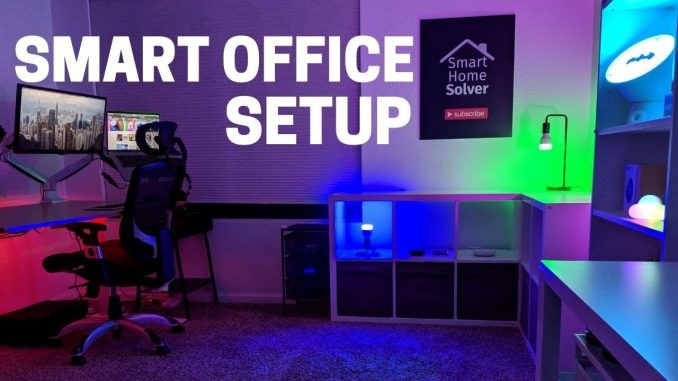
Once the digital backbone is in place, the next step is to consider how physical spaces can be enhanced through smart technology. Lighting, climate control, and occupancy sensors are often overlooked but play a significant role in comfort and energy efficiency. Smart lighting systems can adjust brightness based on natural light levels or time of day, reducing eye strain and lowering electricity costs. Similarly, climate control systems that learn user preferences and respond to occupancy patterns can create a more pleasant working environment while minimizing waste. These adjustments may seem minor, but they contribute to a workspace that feels responsive and intentional.
Security is another critical component of a smart office. Traditional locks and keycards are being replaced by biometric access systems, mobile credentials, and AI-powered surveillance. These technologies not only enhance safety but also streamline access management. For instance, a visitor can be granted temporary access via a QR code, while employees can enter restricted areas using facial recognition. The system can log entries and exits automatically, providing valuable data for compliance and space utilization analysis. In high-security industries, such as finance or healthcare, these features are not just convenient—they’re essential.
Smart offices also prioritize flexibility. With the rise of hot-desking and shared workspaces, companies need tools that help employees find and reserve workstations, meeting rooms, or collaboration zones. Digital booking systems integrated with calendars and mobile apps make this process intuitive. An employee arriving at the office can check availability, book a desk, and even adjust the lighting or temperature to their liking—all before they sit down. This level of personalization fosters a sense of ownership and comfort, even in a non-assigned seating model. It also allows businesses to monitor usage trends and make data-driven decisions about space planning.
Collaboration tools are central to the smart office experience. Interactive displays, voice-activated assistants, and integrated communication platforms help teams stay connected and aligned. A smart conference room might include a touchscreen display that syncs with cloud storage, enabling participants to pull up documents, annotate in real time, and save changes instantly. Voice assistants can schedule meetings, take notes, or control room settings with simple commands. These features reduce friction and allow teams to focus on the substance of their work rather than the logistics. In fast-paced environments, this kind of efficiency can be a game-changer.
Data plays a pivotal role in shaping the smart office. Sensors and analytics platforms collect information on everything from energy consumption to employee movement patterns. This data can be used to optimize layouts, improve resource allocation, and enhance overall performance. For example, if certain meeting rooms are consistently underutilized, they can be repurposed into quiet zones or collaborative hubs. If energy usage spikes during specific hours, adjustments can be made to reduce costs. The goal is not surveillance but insight—using data to create a workplace that adapts to its users rather than the other way around.
Of course, the human element must remain at the center of any smart office strategy. Technology should support, not replace, the relationships and culture that define a business. That means involving employees in the design process, gathering feedback, and ensuring that tools are intuitive and inclusive. A smart office that feels impersonal or overly automated can alienate staff and undermine morale. On the other hand, one that empowers individuals, respects privacy, and enhances daily routines can become a source of pride and engagement. The best smart offices are those that feel both high-tech and human.
Implementing a smart office doesn’t require a complete overhaul overnight. It can begin with small, strategic upgrades that build momentum and demonstrate value. A company might start with smart lighting and expand to integrated booking systems, eventually layering in AI-driven analytics and personalized workstations. The key is to align each step with broader business objectives, whether that’s improving sustainability, supporting hybrid work, or enhancing employee wellbeing. With the right approach, technology becomes a partner in growth rather than a distraction.
In the end, setting up a smart office is about creating a space that reflects the modern way of working—fluid, connected, and responsive. It’s a blend of infrastructure, innovation, and intention, designed to support people in doing their best work. As businesses continue to evolve, the office must evolve with them, not just as a place to work, but as a platform for collaboration, creativity, and success.