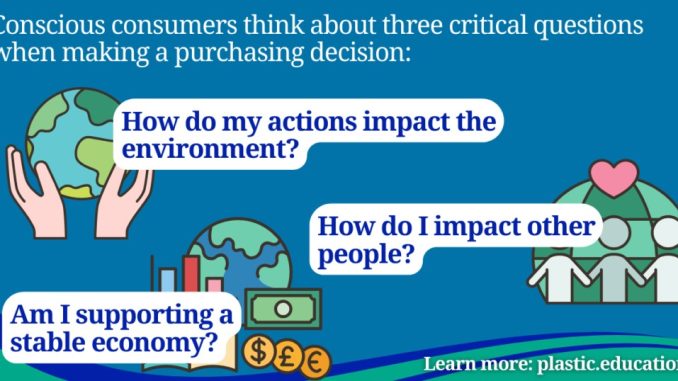
Conscious consumerism has become one of the defining trends of modern markets, reshaping how businesses operate and how customers make decisions. At its core, conscious consumerism reflects a growing desire among individuals to align their purchasing choices with their values, whether those values emphasize sustainability, fairness, transparency, or social responsibility. This shift is not limited to retail or food industries; it is increasingly influencing financial services, and insurance is emerging as a sector where consumer expectations are evolving rapidly.
Insurance has traditionally been viewed as a necessity, a product purchased to mitigate risk rather than to express values. Yet as consumers become more aware of the broader impact of their financial decisions, they are beginning to scrutinize insurers in the same way they evaluate brands in other industries. Questions about how insurers invest premiums, how they handle claims, and how they contribute to social and environmental issues are becoming part of the decision-making process. Customers want to know not only that they are protected but also that their insurer is acting responsibly in the wider world.
One of the most visible ways conscious consumerism is influencing insurance is through sustainability. Policyholders are increasingly aware that insurers manage vast pools of capital, and they want assurance that these funds are not being invested in industries that contribute to climate change or social harm. Insurers that divest from fossil fuels or support renewable energy projects can differentiate themselves in a competitive market, appealing to customers who value alignment between financial products and environmental responsibility. This shift is not just about reputation; it reflects a deeper recognition that long-term resilience depends on sustainable practices.
Transparency is another critical dimension. Consumers who embrace conscious decision-making expect clarity about how insurers operate. They want straightforward policies, clear communication, and honesty in claims handling. Insurers that provide transparency build trust, which is increasingly seen as a competitive advantage. In an era where skepticism about corporate behavior is widespread, openness about practices and commitments can be as important as the coverage itself. Conscious consumers are less willing to tolerate opaque terms or hidden exclusions, and insurers must adapt accordingly.
The rise of conscious consumerism is also reshaping product design. Customers are looking for insurance solutions that reflect their lifestyles and values. For instance, eco-conscious homeowners may seek policies that reward investments in energy-efficient upgrades or sustainable building materials. Drivers who choose electric vehicles may expect insurers to offer tailored coverage that recognizes the reduced environmental impact of their choices. By aligning products with consumer values, insurers can create offerings that resonate more deeply and foster loyalty.
Social responsibility plays a growing role as well. Consumers are paying attention to how insurers treat employees, engage with communities, and respond to social challenges. Companies that demonstrate fairness, inclusivity, and community support are more likely to attract and retain customers who prioritize ethical considerations. This extends to claims handling, where empathy and fairness are increasingly seen as markers of corporate responsibility. Conscious consumers want insurers that not only provide financial protection but also embody values of care and accountability.
Technology is amplifying these trends by making information more accessible. Digital platforms allow consumers to research insurers, compare practices, and share experiences with unprecedented ease. Reviews, ratings, and social media discussions provide transparency that was once difficult to obtain. Insurers must recognize that their actions are visible and subject to public scrutiny, and they must ensure that their commitments to sustainability and responsibility are genuine rather than superficial. Greenwashing or insincere claims can quickly erode trust in an environment where consumers are highly attuned to authenticity.
Regulation is beginning to intersect with conscious consumerism, as governments introduce requirements for sustainability reporting and ethical practices. Insurers must navigate these frameworks while also responding to consumer expectations that often go beyond regulatory mandates. Proactive engagement with ethical standards can position insurers as leaders rather than followers, reinforcing their credibility with conscious consumers. This dynamic highlights the importance of aligning compliance with broader values, ensuring that insurers are not only meeting legal obligations but also contributing to societal progress.
The financial implications of conscious consumerism are significant. Insurers that fail to adapt may find themselves losing relevance in a market where values increasingly drive decisions. Conversely, those that embrace the shift can unlock new opportunities, attracting customers who are willing to pay for products that align with their principles. This evolution is not about abandoning profitability; it is about recognizing that profitability and responsibility can coexist, and that long-term success depends on integrating both.
The rise of conscious consumerism also changes the relationship between insurers and policyholders. Instead of being seen solely as providers of financial protection, insurers are becoming partners in broader value systems. Customers expect insurers to share their commitments, whether to sustainability, fairness, or community well-being. This partnership model strengthens relationships and creates a sense of shared purpose, positioning insurance as more than a transactional product.
Looking ahead, conscious consumerism will continue to shape the insurance industry in profound ways. As values-driven decision-making becomes more widespread, insurers will need to innovate, communicate, and engage with customers in new ways. They will need to balance profitability with responsibility, ensuring that their practices reflect both financial stability and ethical integrity. This evolution will require creativity, adaptability, and a willingness to rethink traditional models.
Ultimately, the rise of conscious consumerism represents a broader shift in how society approaches business and finance. Insurance, once seen as a purely functional product, is becoming part of a larger conversation about values, responsibility, and trust. By embracing this shift, insurers can not only remain competitive but also contribute to a future where financial services support both individual security and collective progress. In this way, insurance becomes more than a safeguard against risk—it becomes a reflection of the values that shape modern life.