Productivity is often framed as a matter of time management, task prioritization, or discipline. While these elements certainly play a role, they overlook a more fundamental driver: energy. Time is finite, but energy fluctuates, and learning to master it can be the difference between simply getting through the day and performing at your peak. For professionals navigating demanding schedules, high-stakes decisions, and constant connectivity, understanding how to manage energy—not just time—is essential to sustaining performance and avoiding burnout.
Energy is not a single resource. It’s a dynamic interplay of physical vitality, mental clarity, emotional resilience, and even spiritual alignment. Each of these dimensions influences how we show up in our work and how effectively we engage with challenges. Physical energy, for instance, is shaped by sleep, nutrition, and movement. A well-rested body with stable blood sugar and regular exercise is more likely to sustain focus and resist fatigue. Mental energy, on the other hand, depends on cognitive load and stimulation. When our minds are cluttered with distractions or overwhelmed by complexity, productivity suffers. Emotional energy is equally critical. The ability to regulate mood, maintain motivation, and navigate interpersonal dynamics can either fuel or drain our capacity to perform. And for some, spiritual energy—defined not necessarily by religion but by a sense of purpose—provides a deeper source of drive and meaning.
Recognizing these layers of energy allows us to approach productivity with greater nuance. It’s not just about pushing harder or working longer. It’s about aligning tasks with the type of energy they require and the type of energy we have available. For example, strategic planning or creative problem-solving demands high mental energy and should be scheduled during peak cognitive hours. Routine administrative tasks, which require less focus, can be reserved for periods when energy dips. This approach, often referred to as energy mapping, helps professionals optimize their output by matching effort to capacity. It’s a subtle shift, but one that can dramatically improve efficiency and reduce stress.
The workplace environment also plays a significant role in energy management. Lighting, noise levels, ergonomics, and even social dynamics influence how energized or depleted we feel. An open-plan office may foster collaboration but also increase distractions. A poorly lit space can sap alertness, while a cluttered desk may contribute to cognitive overload. Leaders who understand these factors can design environments that support energy flow—through thoughtful layout, flexible work options, and a culture that values recovery as much as effort. Encouraging breaks, promoting movement, and respecting boundaries are not just wellness perks; they’re productivity strategies rooted in science.
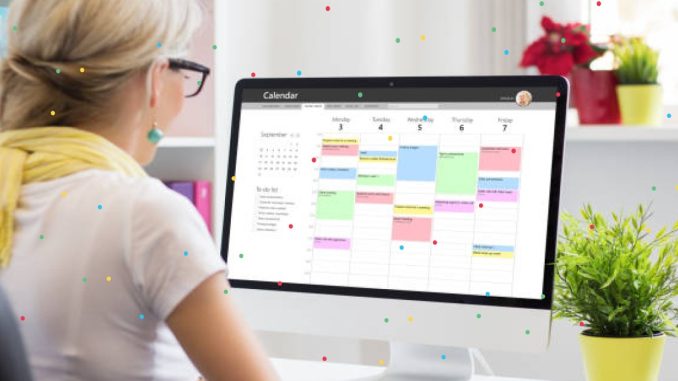
Technology, while often blamed for draining attention, can also be leveraged to support energy management. Apps that track sleep, monitor stress, or prompt movement can help individuals build awareness and adjust habits. Calendar tools that allow for time blocking or focus sessions can reinforce energy alignment. The key is intentionality. Technology should serve as a support system, not a source of distraction. Businesses that integrate tech solutions with human-centered design can empower employees to take control of their energy and, by extension, their productivity.
Nutrition is another cornerstone of energy mastery. The foods we eat directly impact blood sugar, brain function, and mood. A breakfast high in refined carbohydrates may lead to a mid-morning crash, while a balanced meal with protein, fiber, and healthy fats can sustain energy for hours. Hydration also matters. Even mild dehydration can impair concentration and increase fatigue. For professionals constantly on the move, making conscious choices around food and drink can be a game-changer. Organizations that provide nutritious options, educate employees about energy-supportive eating, or partner with wellness providers are investing in their workforce’s capacity to perform.
Sleep, often sacrificed in the name of productivity, is arguably the most powerful energy regulator. It’s during sleep that the body repairs itself, the brain consolidates memory, and emotional equilibrium is restored. Chronic sleep deprivation doesn’t just reduce energy—it impairs judgment, increases irritability, and diminishes creativity. For business leaders, modeling healthy sleep habits and creating policies that discourage late-night work can foster a culture of sustainable performance. It’s not about working less; it’s about working smarter, with the energy to make meaningful contributions.
Emotional energy, while less tangible, is deeply influential. A team member who feels valued, connected, and inspired will bring more energy to their work than one who feels isolated or undervalued. Recognition, psychological safety, and purpose are not soft metrics—they’re energy drivers. Leaders who cultivate trust, communicate clearly, and align roles with strengths can unlock discretionary effort that goes beyond the job description. This emotional engagement is what transforms productivity from a mechanical output to a human expression of excellence.
Ultimately, mastering energy levels for productivity is about self-awareness and strategic alignment. It’s about understanding what fuels you, what drains you, and how to structure your day, your environment, and your relationships to support sustained performance. For businesses, it’s a call to move beyond traditional metrics and embrace a more holistic view of work. Productivity is not just a function of time—it’s a reflection of energy. And when energy is managed with care, intention, and insight, the results speak for themselves.