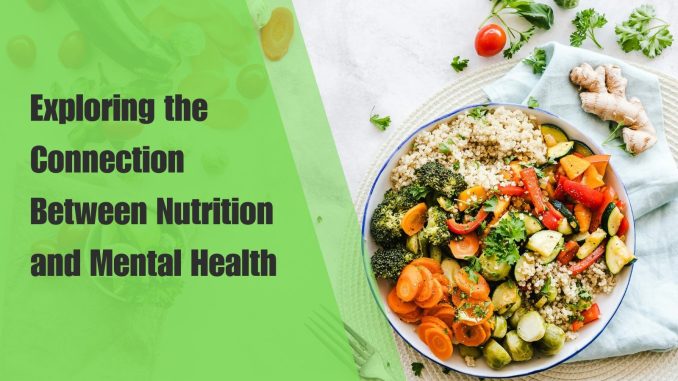
Anxiety is often thought of as something that exists only in the mind, a psychological state triggered by stress, uncertainty, or overwhelming circumstances. Yet science increasingly shows that what we eat plays a direct role in how the brain manages stress and regulates mood. Nutrition and anxiety are deeply connected through a web of biological processes involving neurotransmitters, blood sugar balance, gut health, and inflammation. When the body is well-nourished, it is more capable of maintaining emotional equilibrium, but when nutrition falters, anxiety can become more pronounced. Understanding this link is not about reducing mental health to diet alone, but about recognizing that food can be a powerful tool in supporting resilience.
One of the most immediate ways diet influences anxiety is through blood sugar stability. When meals are skipped or when the diet is dominated by refined carbohydrates and sugary foods, blood sugar spikes quickly and then drops sharply. These fluctuations create symptoms such as jitteriness, irritability, and difficulty concentrating, all of which can mimic or exacerbate anxiety. For example, someone relying on pastries and coffee for breakfast may feel energized briefly, only to crash mid-morning with heightened feelings of unease. In contrast, a balanced breakfast that combines complex carbohydrates, protein, and healthy fats—such as whole-grain toast with eggs and avocado—provides steadier energy and helps regulate mood.
Nutrients also play a critical role in the production of neurotransmitters, the chemical messengers that influence mood and stress response. Serotonin, often called the “feel-good” neurotransmitter, is synthesized from tryptophan, an amino acid found in foods like turkey, eggs, and nuts. Similarly, dopamine and norepinephrine, which support motivation and alertness, depend on sufficient intake of amino acids, B vitamins, and minerals like iron and zinc. When the body lacks these building blocks, neurotransmitter production suffers, and the brain is less capable of managing anxiety. This illustrates how nutrition acts as more than just fuel; it provides the raw materials for emotional stability.
The connection between the gut and the brain further highlights how food can influence anxiety. The gut is home to trillions of microbes collectively known as the microbiome, which play a significant role in producing neurotransmitters and regulating inflammation. In fact, a large proportion of serotonin is produced in the gut. Diets high in fiber, fermented foods, and diverse plant-based nutrients support a healthy microbiome, which in turn communicates with the brain through the gut-brain axis. Conversely, diets high in processed foods, artificial additives, and low fiber can disrupt gut health, contributing to inflammation and increased vulnerability to anxiety. This is why people often report feeling calmer and more balanced when they prioritize whole foods over processed options.
Another key link lies in the impact of certain micronutrients on the nervous system. Magnesium, often called nature’s relaxant, helps regulate muscle and nerve function and plays a role in calming the stress response. Deficiency in magnesium has been linked to heightened anxiety and difficulty relaxing. Foods like spinach, pumpkin seeds, and dark chocolate provide natural sources of this mineral. Omega-3 fatty acids, found in fatty fish like salmon or plant sources like flaxseeds, also support brain health by reducing inflammation and promoting healthy communication between brain cells. Studies have suggested that people who consume diets rich in omega-3s often report lower levels of anxiety, underscoring how essential fats are for emotional regulation.
Caffeine and alcohol also deserve attention in this conversation. While moderate amounts of caffeine can enhance alertness, overconsumption overstimulates the nervous system, heightening feelings of restlessness and worry. For individuals prone to anxiety, even one extra cup of coffee can tip the balance, making it harder to stay calm. Alcohol, often used as a way to relax, can have the opposite effect by disrupting sleep quality and interfering with neurotransmitter function. Both substances can exacerbate the cycle of anxiety when not consumed mindfully, reminding us that nutrition is not only about what we include but also what we moderate.
It is equally important to recognize the role of lifestyle in how nutrition affects anxiety. For professionals managing demanding workloads, it is common to eat on the go, skip meals, or depend heavily on convenience foods. These patterns not only limit nutrient intake but also perpetuate cycles of stress and low energy that feed into anxiety. Creating intentional moments for balanced meals, even simple ones, can interrupt this cycle. For instance, replacing an afternoon vending machine snack with a mix of nuts and fruit provides protein, fiber, and natural sugars that stabilize energy rather than destabilize it. Small adjustments like these accumulate, creating a nutritional foundation that supports mental resilience.
The mind-body connection also extends to how we approach eating itself. Mindless eating or consuming food in a rushed state can amplify anxiety by preventing proper digestion and blunting awareness of hunger and fullness cues. On the other hand, mindful eating practices—slowing down, savoring flavors, and eating in a calm environment—help regulate the nervous system. This shift in awareness can transform food from a source of stress into an anchor for stability. For many professionals, reframing meals as a form of self-care rather than an inconvenience can change not only nutritional outcomes but also emotional balance.
Ultimately, nutrition is not a cure for anxiety, but it is a powerful tool in the larger strategy of managing it. When the body is nourished with balanced meals, steady blood sugar, diverse nutrients, and supportive fats, the brain is better equipped to cope with stressors. The relationship between food and mood is both scientific and experiential, reflected in how differently we feel after a day of wholesome eating compared to one dominated by processed convenience foods. By making thoughtful nutritional choices, people can create an internal environment that supports emotional steadiness and reduces the intensity of anxiety. Food, in this sense, becomes more than sustenance—it becomes part of a daily practice of resilience and well-being.