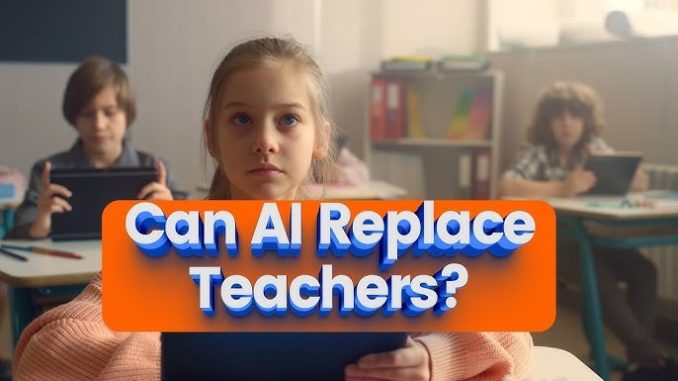
The future of learning isn’t some distant concept waiting to unfold—it’s already here, reshaping how individuals acquire knowledge, develop skills, and prepare for a rapidly evolving world. The traditional boundaries of education are dissolving, giving way to more fluid, personalized, and dynamic approaches. What was once confined to classrooms and lecture halls is now accessible through digital platforms, collaborative networks, and real-world experiences. This shift is not just technological—it’s philosophical. It reflects a growing recognition that learning must be continuous, adaptable, and deeply connected to the challenges and opportunities of today.
One of the most significant changes in the learning landscape is the move toward personalization. Learners are no longer expected to conform to a one-size-fits-all model. Instead, they are encouraged to chart their own paths, guided by interests, goals, and preferred learning styles. This autonomy empowers individuals to take ownership of their education, making it more relevant and engaging. A professional seeking to pivot into data science might combine online courses, mentorship, and hands-on projects to build competence. The flexibility to learn at one’s own pace and in one’s own way transforms education from a rigid structure into a responsive ecosystem.
Technology plays a central role in enabling this transformation, but its impact goes beyond convenience. Digital tools are making learning more interactive, immersive, and collaborative. Artificial intelligence, virtual reality, and adaptive platforms are not just delivering content—they’re shaping experiences. A student using an AI-powered tutor can receive real-time feedback, personalized recommendations, and targeted support. These innovations help bridge gaps in understanding and foster deeper engagement. But the real power of technology lies in its ability to connect learners across geographies, disciplines, and backgrounds, creating communities of practice that enrich learning through diversity and dialogue.
The future of learning also emphasizes the importance of skills over credentials. In fast-changing industries, the ability to learn quickly, think critically, and solve problems creatively is often more valuable than a formal degree. Employers are increasingly looking for evidence of capability—portfolios, projects, and performance—rather than just transcripts. This shift encourages learners to focus on mastery and application, rather than rote memorization or test scores. A marketing professional might demonstrate expertise by launching a successful campaign, analyzing metrics, and iterating based on feedback. These tangible outcomes speak volumes about competence and potential.
Another defining feature of modern learning is its integration with everyday life. Education is no longer something that happens in isolation—it’s woven into work, hobbies, and social interactions. Microlearning, podcasts, webinars, and peer-to-peer exchanges allow individuals to learn in moments, not just semesters. This approach supports lifelong learning, making it easier to stay current, explore new interests, and adapt to change. A manager might listen to a leadership podcast during a commute, apply insights in a team meeting, and reflect on the results—all within the span of a day. Learning becomes a habit, not a task.
Collaboration is also central to the future of learning. The most effective learning environments are those that encourage dialogue, feedback, and shared exploration. Whether through study groups, online forums, or workplace teams, learners benefit from exchanging ideas and perspectives. This collaborative spirit fosters innovation and builds social capital. In business education, for example, case-based learning often involves group analysis, debate, and presentation. These interactions mirror real-world dynamics and prepare students to navigate complexity with confidence and empathy.
Importantly, the future of learning is inclusive. It recognizes that access to education should not be limited by geography, income, or background. Open educational resources, community initiatives, and scalable platforms are helping to democratize learning. This inclusivity not only expands opportunity—it enriches the learning experience by incorporating diverse voices and viewpoints. A global classroom, whether virtual or physical, exposes students to different cultures, challenges assumptions, and fosters global citizenship. The result is a more informed, empathetic, and connected generation of learners.
Reflection and self-awareness are also gaining prominence in the learning process. As learners navigate multiple sources of information and varied experiences, the ability to pause, assess, and integrate becomes essential. Reflective practices—journaling, coaching, feedback loops—help individuals make sense of their learning and align it with personal and professional goals. A student might reflect on a failed project not just to identify mistakes, but to understand their decision-making process, emotional responses, and growth areas. This depth of insight supports intentional learning and long-term development.
Ultimately, the future of learning is not defined by tools or trends—it’s defined by mindset. It’s about approaching education as a lifelong journey, one that evolves with the learner and responds to the world around them. It’s about curiosity, resilience, and the willingness to engage with uncertainty. And most importantly, it’s about starting now. The habits, choices, and attitudes we cultivate today shape the learners we become tomorrow. Whether in a classroom, a boardroom, or a living room, the future of learning begins with a single decision: to learn with purpose, to grow with intention, and to embrace the possibilities that lie ahead.