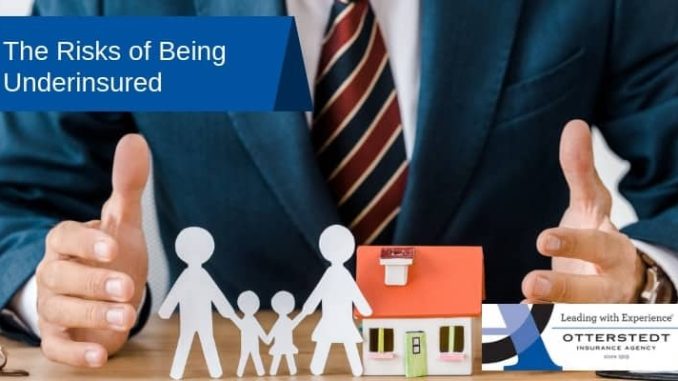
Being underinsured is a situation that many people find themselves in without realizing it. On the surface, having some coverage may feel sufficient, but the reality is that inadequate insurance can create financial vulnerabilities that only become apparent when life takes an unexpected turn. The hidden costs of being underinsured often extend far beyond the immediate expenses of an incident, affecting long-term financial stability, personal well-being, and even professional opportunities.
One of the most significant hidden costs is the strain on personal savings. When coverage falls short, individuals are forced to dip into their own reserves to cover expenses that insurance should have handled. This erosion of savings not only impacts current financial security but also undermines future plans, whether that means retirement, education, or investment opportunities. What seems like a manageable gap in coverage can quickly snowball into a serious setback.
Debt is another consequence that often accompanies underinsurance. Without adequate protection, people may turn to credit cards or loans to cover unexpected costs. High-interest debt can accumulate rapidly, creating a cycle that is difficult to escape. The burden of repayment can linger for years, limiting financial flexibility and reducing the ability to pursue new opportunities. In this way, underinsurance indirectly contributes to long-term financial stress.
The emotional toll of being underinsured is also worth noting. Financial uncertainty creates anxiety, and the stress of managing unexpected expenses can affect decision-making, relationships, and overall quality of life. When individuals are constantly worried about what might happen if disaster strikes, they may avoid taking risks or pursuing goals that could otherwise lead to growth. Insurance is not just about financial protection; it is about peace of mind, and being underinsured erodes that sense of security.
For businesses, the hidden costs of underinsurance can be even more pronounced. Inadequate coverage can expose companies to liabilities that threaten their survival. A single lawsuit, accident, or disruption can drain resources and damage reputations. Beyond the immediate financial impact, underinsurance can limit a company’s ability to attract investors, secure contracts, or retain employees. Stakeholders often view comprehensive insurance as a sign of stability, and falling short can undermine confidence.
Another hidden cost lies in missed opportunities. Adequate insurance allows individuals and businesses to take calculated risks, whether that means expanding operations, investing in new ventures, or pursuing personal goals. Underinsurance, on the other hand, forces caution and limits growth. The fear of potential loss can prevent people from seizing opportunities that could have been transformative. In this way, the cost of being underinsured is not just about what is lost but also about what is never gained.
Healthcare is an area where underinsurance has particularly severe consequences. Insufficient coverage can lead to delayed treatment, reduced access to quality care, and higher out-of-pocket expenses. The financial burden of medical costs can be overwhelming, but the hidden cost is often the long-term impact on health and productivity. When people avoid necessary care due to inadequate insurance, the consequences can ripple through their personal and professional lives.
Property and asset protection is another dimension where underinsurance reveals hidden costs. Homes, vehicles, and businesses represent significant investments, and inadequate coverage can leave these assets vulnerable. Repairing or replacing property without sufficient insurance can drain resources and disrupt stability. Moreover, the emotional attachment to these assets means that the loss is not just financial but deeply personal.
The hidden costs of underinsurance also extend to family dynamics. When coverage is insufficient, the burden of financial recovery often falls on loved ones. This can strain relationships and create tension, particularly when resources are limited. Insurance is not just about protecting oneself; it is about safeguarding those who depend on you. Being underinsured compromises that responsibility and can leave families exposed to unnecessary hardship.
From a broader perspective, underinsurance can affect entire communities. When individuals or businesses struggle to recover from setbacks due to inadequate coverage, the ripple effects can impact local economies. Jobs may be lost, services reduced, and growth stalled. Insurance plays a role in maintaining economic resilience, and underinsurance weakens that foundation, creating vulnerabilities that extend beyond the individual.
The perception of being adequately insured can also be misleading. Many people assume that having a policy means they are covered, but the fine print often reveals gaps that only become apparent during a claim. These gaps can include exclusions, limits, or outdated valuations that fail to reflect current realities. The hidden cost here is the false sense of security that leads people to believe they are protected when they are not.
Ultimately, the hidden costs of being underinsured highlight the importance of proactive planning. Insurance should not be viewed as a static product but as a dynamic tool that evolves with changing circumstances. Regularly reviewing coverage, assessing risks, and adjusting policies ensures that protection remains adequate. The cost of premiums may feel burdensome, but the hidden costs of underinsurance are far greater and often more damaging in the long run.
In the end, being underinsured is not just about financial exposure; it is about limiting potential, eroding confidence, and creating vulnerabilities that affect every aspect of life. The true cost is measured not only in dollars but in opportunities missed, relationships strained, and futures compromised. Recognizing these hidden costs is the first step toward building a stronger, more resilient foundation that ensures both security and growth.