Car insurance is a necessary expense for anyone who owns and operates a vehicle, but that doesn’t mean it has to be a financial burden. The importance of car insurance discounts lies in their ability to make coverage more affordable while still maintaining the protection drivers need. These discounts are not just promotional gimmicks—they’re strategic tools that reward responsible behavior, encourage safer driving habits, and help insurers manage risk more effectively. For consumers, understanding how these discounts work and how to qualify for them can lead to substantial savings over time, making insurance more accessible and sustainable.
One of the most compelling aspects of car insurance discounts is how they align incentives between the insurer and the insured. When a driver installs a telematics device or uses a mobile app to track driving behavior, they’re not only demonstrating a commitment to safety but also providing data that helps insurers assess risk more accurately. In return, insurers often offer usage-based discounts that reflect the driver’s actual habits rather than relying solely on demographic assumptions. This shift toward personalized pricing is a win-win: drivers who avoid hard braking, speeding, and late-night driving can see lower premiums, while insurers benefit from reduced claims and better risk segmentation.
Safe driving isn’t the only behavior that earns discounts. Many insurers offer reduced rates for bundling policies, such as combining auto and home insurance. This approach simplifies the customer experience and strengthens loyalty, while also allowing insurers to spread risk across multiple lines of coverage. Similarly, discounts for paying premiums annually instead of monthly, or for setting up automatic payments, help insurers reduce administrative costs and improve cash flow. These operational efficiencies are passed on to consumers in the form of lower rates, reinforcing the idea that small adjustments in payment behavior can yield meaningful financial benefits.
Vehicle features also play a role in discount eligibility. Cars equipped with anti-lock brakes, airbags, and anti-theft devices are generally considered safer and less likely to be involved in costly incidents. Insurers recognize this and often offer discounts for vehicles with advanced safety technology. As automotive innovation continues—particularly with the rise of driver-assistance systems and electric vehicles—insurers are adapting their discount structures to reflect these changes. For example, some companies now offer incentives for eco-friendly vehicles, acknowledging both the lower maintenance costs and the broader environmental benefits.
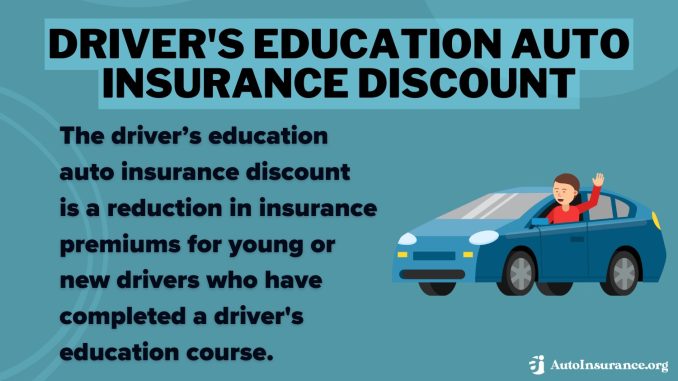
Age and experience can influence discount opportunities as well. Young drivers, often seen as high-risk, may qualify for discounts by completing defensive driving courses or maintaining good grades in school. These programs are designed to instill responsible habits early and reduce the likelihood of accidents. On the other end of the spectrum, mature drivers with clean records may benefit from loyalty discounts or reduced rates based on years of safe driving. These incentives recognize the value of experience and encourage long-term engagement with the insurer.
From a business perspective, car insurance discounts are more than just customer perks—they’re part of a broader strategy to manage risk and retain clients. In a competitive market, insurers must differentiate themselves not only through coverage options but also through pricing flexibility. Discounts allow companies to tailor premiums to individual circumstances, making their offerings more attractive without compromising profitability. They also foster transparency, as consumers can see how their behavior directly impacts their costs. This clarity builds trust and encourages proactive engagement with the policy.
Education plays a key role in maximizing the value of car insurance discounts. Many drivers are unaware of the full range of discounts available or assume they don’t qualify. Insurers and brokers have an opportunity to bridge this gap by providing clear, accessible information and helping clients identify opportunities for savings. This might involve reviewing driving history, evaluating vehicle features, or exploring bundling options. When consumers understand how discounts work, they’re more likely to take steps to qualify, leading to better outcomes for both parties.
Technology is making this process easier and more dynamic. Online platforms and mobile apps allow users to track their driving behavior, receive real-time feedback, and monitor their discount eligibility. These tools create a more interactive insurance experience, where consumers are empowered to influence their premiums through everyday choices. They also enable insurers to update pricing models more frequently, reflecting changes in risk and behavior with greater agility. As digital engagement becomes the norm, the role of discounts will continue to evolve, becoming more personalized and responsive.
Ultimately, the importance of car insurance discounts lies in their ability to make protection more affordable, equitable, and engaging. They reward responsible behavior, support safer roads, and create a more transparent relationship between insurers and policyholders. For consumers, they offer a tangible way to reduce costs without sacrificing coverage. For insurers, they provide a mechanism to manage risk and foster loyalty. In a landscape where both financial pressures and safety concerns are on the rise, car insurance discounts are not just helpful—they’re essential. By understanding and leveraging these incentives, drivers can take control of their insurance experience and build a foundation of protection that’s both smart and sustainable.