Academic success is often attributed to intelligence, talent, or access to resources, but one of the most powerful and underrated predictors is grit. Grit, as defined by psychologist Angela Duckworth, is the combination of passion and perseverance toward long-term goals. It’s not about momentary bursts of effort or enthusiasm—it’s about sustained commitment, even when the path is difficult, progress is slow, and setbacks are inevitable. In the context of education, grit plays a transformative role in shaping how students approach learning, overcome obstacles, and ultimately achieve their goals.
The academic journey is rarely linear. Students encounter a wide range of challenges, from difficult subjects and demanding schedules to personal setbacks and moments of self-doubt. What distinguishes those who succeed is not just their cognitive ability, but their willingness to persist through adversity. Grit enables students to stay focused on their goals despite distractions or discouragement. It’s the internal drive that pushes someone to study for an exam even after a long day, to rewrite a paper that didn’t meet expectations, or to seek help when a concept feels impossible to grasp. These moments of perseverance, repeated over time, build the foundation for academic achievement.
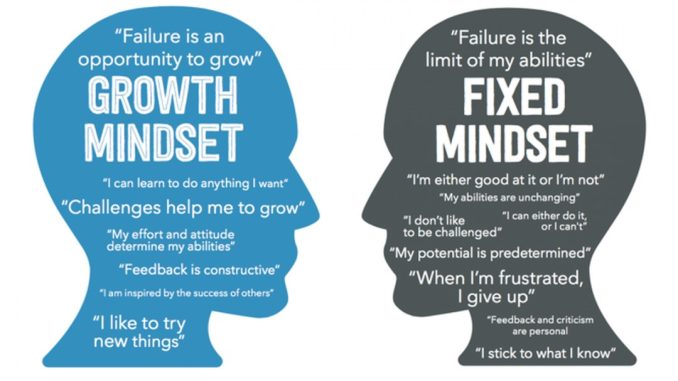
One of the most compelling aspects of grit is that it can be developed. Unlike fixed traits such as IQ, grit grows through experience, reflection, and intentional effort. Students who learn to embrace challenges rather than avoid them begin to see difficulty as a natural part of the learning process. For example, a student struggling with advanced mathematics may initially feel overwhelmed. But with encouragement, support, and a mindset that values effort over perfection, that student can begin to see progress. Each small victory reinforces the belief that persistence pays off, and that belief fuels further effort. Over time, grit becomes a habit—a way of approaching not just academics, but life itself.
Educators play a crucial role in fostering grit. The way teachers frame challenges, provide feedback, and support students through setbacks can either reinforce or undermine perseverance. When teachers emphasize growth, effort, and resilience, they create an environment where grit is not only encouraged but expected. For instance, a teacher who allows revisions on assignments, celebrates improvement, and shares stories of their own struggles sends a powerful message: success is earned through persistence, not perfection. This approach helps students internalize the value of hard work and develop the emotional stamina needed to navigate academic demands.
The importance of grit becomes especially evident during transitions—moving from middle school to high school, or high school to college. These periods often come with increased academic pressure, greater independence, and new social dynamics. Students who have cultivated grit are better equipped to handle these shifts. They are more likely to seek out resources, manage their time effectively, and stay committed to their goals even when the environment changes. In contrast, students who rely solely on natural ability may find themselves struggling when faced with unfamiliar challenges. Grit provides the resilience needed to adapt and thrive in new contexts.
It’s also worth noting that grit is not about blind persistence. It involves thoughtful reflection, strategic planning, and the ability to learn from failure. A gritty student doesn’t just keep trying the same approach when it’s not working—they seek feedback, adjust their methods, and remain open to growth. This combination of perseverance and adaptability is what makes grit so powerful. It’s not just about working hard—it’s about working smart, staying committed, and believing in the possibility of improvement. In academic settings, where learning is often iterative and nonlinear, this mindset is essential.
The impact of grit extends beyond individual performance. In group projects, collaborative learning environments, and peer interactions, gritty students often serve as anchors. Their determination can inspire others, stabilize group dynamics, and elevate the overall quality of work. They model what it means to stay engaged, even when tasks are tedious or outcomes uncertain. This influence contributes to a culture of perseverance within the classroom, where effort is valued and setbacks are seen as part of the process. Such environments not only support academic success but also prepare students for the realities of the professional world.
Parents also play a significant role in nurturing grit. When families emphasize effort, celebrate persistence, and encourage reflection, they reinforce the values that support long-term achievement. Conversations at home that focus on what was learned, how challenges were handled, and what strategies were used help students build a resilient mindset. Importantly, grit is not about pushing students to their limits without regard for well-being—it’s about helping them find purpose, stay motivated, and develop the tools to overcome obstacles. When grit is cultivated with care and balance, it becomes a source of strength rather than stress.
In the broader context of education and business, grit is increasingly recognized as a key ingredient for success. Employers value employees who can navigate uncertainty, stay committed to goals, and recover from setbacks. Entrepreneurs rely on grit to push through the inevitable challenges of building something new. And students who develop grit early carry those habits into their careers, relationships, and personal pursuits. Academic success, then, is not just about grades or test scores—it’s about developing the character and mindset that enable individuals to pursue excellence over the long haul.
Ultimately, grit is what turns potential into achievement. It’s the quiet force behind late-night study sessions, the courage to ask for help, and the determination to keep going when others stop. In a world that often celebrates instant results and effortless talent, grit reminds us that true success is earned through persistence, passion, and purpose. For students, embracing grit means embracing the journey—one that is challenging, rewarding, and deeply transformative.