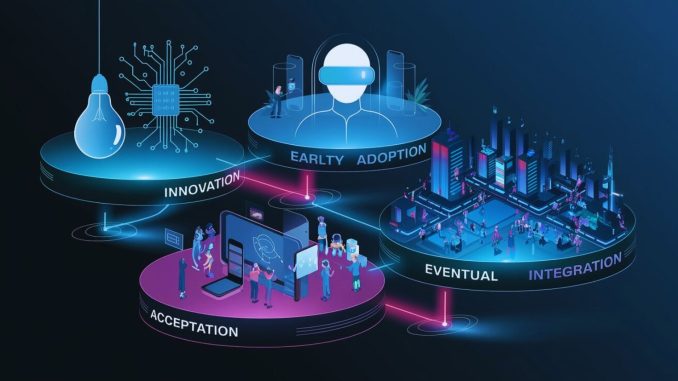
The journey of adopting new technologies is rarely straightforward. It is a process that blends ambition with caution, innovation with pragmatism, and vision with execution. For businesses, the decision to embrace new tools or platforms is not simply about keeping up with trends; it is about reshaping operations, redefining customer experiences, and positioning themselves for long-term success. This journey requires careful navigation, as the rewards of adoption can be transformative, but the risks of missteps can be costly.
At the beginning of this journey, organizations often face the challenge of recognizing the need for change. Legacy systems and established processes may have served well for years, but as markets evolve and customer expectations shift, the limitations of older technologies become more apparent. The realization that existing tools cannot deliver the agility, scalability, or efficiency required is often the catalyst for exploring new solutions. This stage is marked by curiosity and exploration, as leaders seek to understand what technologies are available and how they might align with strategic goals.
Once the need is identified, the next step involves evaluation. Businesses must weigh the potential benefits of new technologies against the costs, both financial and operational. This evaluation is not limited to technical specifications; it also considers cultural readiness, employee skills, and the broader impact on workflows. A new system may promise efficiency, but if it disrupts established practices without adequate support, adoption can falter. Successful organizations approach evaluation holistically, ensuring that technology choices align with both business objectives and human capabilities.
Implementation is where the journey becomes tangible. Rolling out new technologies requires planning, coordination, and often a phased approach. Few organizations can afford to switch systems overnight, so gradual integration is common. This stage demands patience and resilience, as unforeseen challenges inevitably arise. Technical glitches, resistance from employees, or gaps in training can slow progress. Yet these hurdles are part of the process, and organizations that anticipate them are better equipped to adapt and move forward.
Employee engagement is critical during implementation. Technology adoption is not just about systems; it is about people. Employees must understand why the change is happening, how it benefits them, and what support is available. Clear communication and comprehensive training help ease the transition, turning potential resistance into enthusiasm. When employees feel empowered to use new tools effectively, adoption accelerates, and the organization begins to realize the intended benefits.
The journey does not end with implementation. Optimization is the next phase, where organizations refine their use of technology to maximize value. Initial deployment often reveals areas for improvement, whether in configuration, integration, or user practices. Continuous feedback loops allow businesses to adjust and enhance systems, ensuring that they deliver on their promise. This iterative process transforms technology from a static investment into a dynamic asset that evolves alongside the organization.
One of the most significant outcomes of adopting new technologies is the cultural shift it creates. Organizations that embrace innovation develop a mindset of adaptability and resilience. They become more comfortable with change, more willing to experiment, and more confident in their ability to navigate uncertainty. This cultural transformation is often as valuable as the technology itself, as it positions businesses to respond effectively to future challenges and opportunities.
The journey also highlights the importance of leadership. Executives and managers play a pivotal role in guiding adoption, setting expectations, and modeling behavior. Their commitment signals to employees that technology adoption is not optional but essential. Leaders who champion innovation inspire confidence and create momentum, ensuring that the organization moves forward collectively rather than in fragmented efforts.
For many businesses, the journey of adopting new technologies is not a one-time event but a continuous cycle. As markets evolve and technologies advance, organizations must revisit their systems and strategies regularly. Each adoption builds on the last, creating a foundation of experience and capability that makes future transitions smoother. Over time, businesses develop a rhythm of innovation, where adopting new technologies becomes part of their identity rather than a disruptive event.
The risks of adoption should not be overlooked. Investing in the wrong technology, failing to secure employee buy-in, or neglecting integration can undermine efforts. Yet these risks are manageable with careful planning and a willingness to learn from setbacks. Organizations that view adoption as a journey rather than a destination are better prepared to navigate challenges, recognizing that missteps are opportunities for growth rather than failures.
Ultimately, the journey of adopting new technologies is about transformation. It is about moving from what is familiar to what is possible, from established routines to new horizons. The process requires vision, discipline, and resilience, but the rewards are substantial. Businesses that embrace this journey position themselves to thrive in a digital economy, delivering greater value to customers, empowering employees, and achieving sustainable growth.
In the end, adopting new technologies is not just about tools or systems; it is about evolution. It reflects an organization’s willingness to adapt, to learn, and to grow. The journey may be complex, but it is also empowering, offering businesses the chance to redefine themselves and shape their future. Those who embrace it with clarity and commitment discover that technology is not just a means to an end but a catalyst for enduring success.