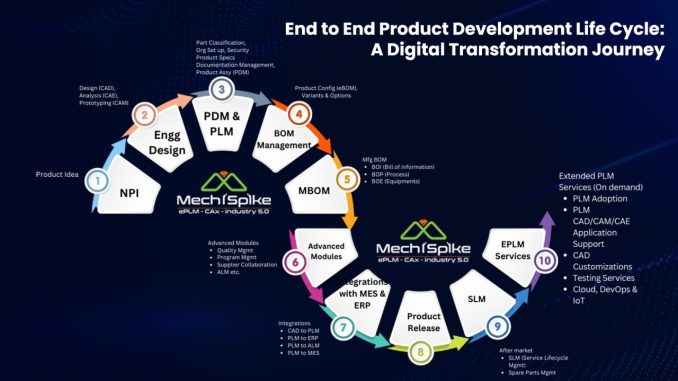
The journey of tech product development is a dynamic and multifaceted process that blends creativity, strategy, and execution. It begins with an idea—often sparked by a problem, a market gap, or a vision for a better way of doing things. But turning that idea into a viable product requires more than inspiration. It demands a structured approach that balances user needs, technical feasibility, and business goals. From initial concept to final launch, each phase of development presents its own set of challenges and opportunities, shaping not only the product itself but the team and organization behind it.
The earliest stage of development is often marked by exploration and validation. Teams start by defining the problem they’re solving and identifying the target audience. This involves market research, user interviews, and competitive analysis to ensure the idea has relevance and potential. It’s not uncommon for initial assumptions to be challenged during this phase, leading to pivots or refinements. For example, a startup might begin with the goal of building a task management app for freelancers, only to discover through research that small teams in agencies face more pressing workflow issues. This insight can redirect the product’s focus and increase its chances of success.
Once the concept is validated, the next step is translating it into a tangible plan. This includes defining core features, mapping user journeys, and establishing technical requirements. Product managers work closely with designers and engineers to create wireframes, prototypes, and architecture diagrams. These artifacts serve as blueprints, guiding development while allowing room for iteration. Agile methodologies are commonly used at this stage, emphasizing flexibility, collaboration, and incremental progress. Rather than building everything at once, teams prioritize features based on value and feasibility, delivering them in sprints and gathering feedback along the way.
Design plays a critical role in shaping the user experience. A well-designed product doesn’t just look good—it feels intuitive and solves problems effectively. Designers focus on usability, accessibility, and aesthetics, ensuring that the interface supports the user’s goals without unnecessary friction. This often involves multiple rounds of testing and refinement, using tools like usability studies and A/B testing to validate decisions. For instance, a fintech app might experiment with different dashboard layouts to help users better understand their spending habits. These design choices can significantly impact engagement and satisfaction, making them a vital part of the development journey.
Engineering brings the product to life, translating designs and specifications into working software. Developers choose frameworks, write code, and integrate systems, all while maintaining performance, security, and scalability. Collaboration between front-end and back-end teams is essential, as is clear communication with product managers and designers. Technical debt and unforeseen challenges are inevitable, requiring thoughtful trade-offs and problem-solving. Continuous integration and automated testing help maintain quality and speed, allowing teams to catch issues early and deploy updates confidently. The engineering phase is where the abstract becomes concrete, and the product begins to take shape in the hands of users.
Throughout development, feedback is the compass that guides progress. Internal testing, beta releases, and user feedback loops provide insights into what’s working and what needs improvement. This iterative approach helps teams stay aligned with user needs and adapt to changing conditions. A SaaS company, for example, might release a minimum viable product to a select group of customers, gather feedback on key features, and use that data to refine the roadmap. These interactions not only improve the product but also build relationships with early adopters, who often become advocates and sources of valuable insight.
Launching a tech product is both a milestone and a beginning. It involves coordination across marketing, sales, support, and operations to ensure a smooth rollout. Messaging must be clear, positioning must resonate, and onboarding must be seamless. Teams prepare for scale, monitor performance, and respond to issues in real time. Post-launch analytics help measure success, track engagement, and identify areas for growth. But the journey doesn’t end here. Successful products continue to evolve, driven by user feedback, market trends, and technological advancements. Regular updates, feature enhancements, and strategic pivots keep the product relevant and competitive.
The journey of tech product development is as much about people as it is about technology. It requires cross-functional collaboration, shared vision, and a willingness to learn and adapt. Each phase—from ideation to launch—builds on the last, creating a rhythm of discovery, creation, and refinement. It’s a process that rewards curiosity, resilience, and empathy, challenging teams to think deeply about the problems they’re solving and the people they’re serving. In a landscape defined by rapid change and fierce competition, the ability to navigate this journey with clarity and purpose is what sets successful products apart. It’s not just about building something—it’s about building something that matters.