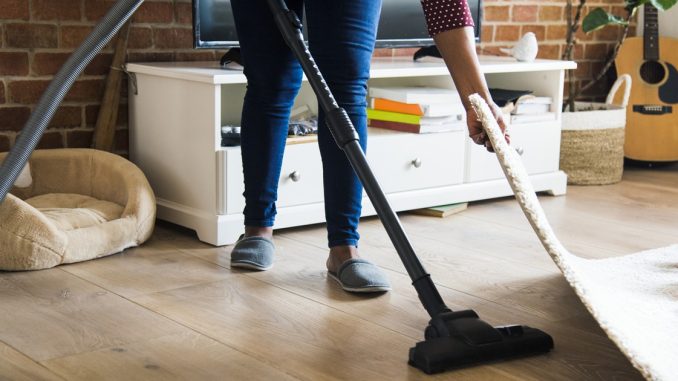
Cleaning is often viewed as a chore, something to be rushed through or postponed until the mess becomes unavoidable. Yet beneath the surface of dusting, vacuuming, or tidying lies a powerful connection to mental health. The act of cleaning influences mood, stress levels, and even our ability to focus. It provides both immediate psychological relief and longer-term benefits that ripple into other areas of life. For professionals accustomed to thinking about efficiency, systems, and outcomes, cleaning offers a surprisingly practical lens for understanding how physical environments affect the mind and, ultimately, performance.
One of the most immediate mental health benefits of cleaning is the sense of control it restores. Life often feels unpredictable, filled with demands that cannot always be managed. But organizing a space, wiping down a counter, or putting items back in their place provides a tangible sense of accomplishment. The environment shifts visibly as a result of your actions, creating a feedback loop that reinforces agency and calm. This is particularly important when external circumstances feel overwhelming. Much like achieving a small win at work can restore confidence in the middle of a complex project, cleaning creates order where there was disorder, offering reassurance that change is possible through intentional action.
Cleaning also reduces cognitive overload. Research has shown that cluttered environments compete for our attention, making it harder to concentrate and increasing stress. Every visible pile of papers or stack of dishes becomes a mental reminder of something undone. Over time, these cues build into background noise that drains focus and mental energy. By cleaning and organizing, you quiet this noise, allowing the mind to settle. A clear desk, for instance, not only looks more professional but also reduces the subconscious pull of distractions, making it easier to focus on meaningful tasks. For professionals juggling multiple priorities, this clarity can translate directly into improved productivity and decision-making.
The physical act of cleaning itself can also be therapeutic. Repetitive tasks such as sweeping, folding laundry, or scrubbing surfaces create a rhythm that mirrors mindfulness practices. The body engages in familiar movements while the mind has space to slow down and decompress. This meditative quality helps regulate stress hormones and shift focus away from anxious thought loops. For some, the process of cleaning is as calming as taking a walk or practicing breathing exercises, offering a simple, accessible form of stress relief. In this way, cleaning is less about the end result and more about the experience of being present in the act.
Another dimension of the mental health benefits of cleaning lies in its ability to signal transitions. Tidying a workspace at the end of the day, for example, creates a physical and psychological boundary between professional and personal time. This ritual helps the brain shift gears, preventing the feeling of being “always on” that often accompanies modern work life. Similarly, cleaning in the morning can act as a way to reset, signaling the start of a new day with a refreshed environment. These transitions are vital for maintaining balance, much like businesses use routines and rituals to mark the close of one phase and the beginning of another.
Cleaning also provides long-term psychological benefits by shaping the environment in ways that support mental wellness. Living in a tidy, organized space contributes to feelings of safety and stability, while chaotic environments tend to increase stress and even depressive symptoms. This does not mean every space must be spotless, but creating surroundings that feel manageable and supportive makes daily life smoother. When your environment works with you rather than against you, mental resources are freed up for creativity, problem-solving, and connection. Professionals who recognize the role of culture and environment in organizational success will appreciate this parallel—spaces, whether at home or work, are not neutral; they actively influence how people think and feel.
There is also a social aspect to consider. Clean, organized environments make it easier to welcome others, reducing the anxiety that can come with unexpected visitors or professional interactions in messy spaces. This sense of readiness fosters confidence and reduces embarrassment or stress. On a deeper level, it can even enhance relationships, as a clean environment is more conducive to connection, relaxation, and shared experiences. Just as professional environments influence team dynamics, personal spaces shape the quality of interactions with family and friends.
Perhaps one of the most underrated benefits of cleaning is the momentum it creates. Small acts of tidying often spark motivation to tackle larger tasks, both within and beyond the home. The sense of progress achieved by organizing a drawer can extend into making healthier food choices, handling overdue emails, or approaching work projects with renewed energy. Cleaning becomes not only a physical reset but also a psychological catalyst, breaking through inertia and reminding us of our ability to take action. Professionals know that momentum often determines whether projects succeed or stall, and the same principle applies to personal well-being.
Ultimately, cleaning is more than a domestic task—it is a practice that shapes mental health in profound ways. It restores a sense of control, reduces stress, creates mental clarity, and supports emotional balance. For professionals navigating the demands of modern life, it serves as both a grounding ritual and a performance strategy. A clean environment does not just look better; it feels better, providing the mental space needed to think clearly, make sound decisions, and engage fully with life. By reframing cleaning as an act of self-care rather than an obligation, individuals can harness its psychological benefits to create environments that foster calm, clarity, and resilience.
Would you like me to also prepare a shorter 400–500 word version of this article that could be shared as a practical wellness insight in newsletters or on LinkedIn?