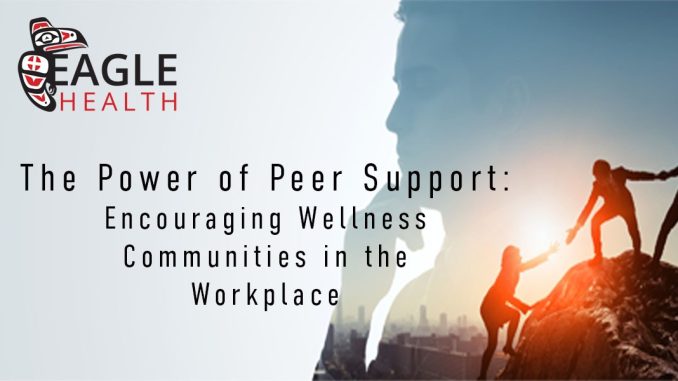
Achieving health goals is often framed as a personal journey, one that requires discipline, motivation, and individual effort. While personal commitment is undeniably important, the role of community support is frequently underestimated. In reality, community can be the catalyst that transforms intention into sustained action. Whether it’s a group of colleagues committing to healthier lunches, a neighborhood walking club, or an online forum for managing chronic conditions, the presence of others who share your goals and understand your challenges can make all the difference. Community support doesn’t just reinforce behavior—it nurtures resilience, accountability, and a sense of belonging that amplifies the impact of health initiatives.
One of the most powerful aspects of community support is its ability to normalize effort. When people pursue health goals in isolation, they often feel like they’re swimming against the current. Social norms, workplace culture, and even family habits can make change feel lonely or awkward. But when those around you are also making conscious choices—choosing water over soda, taking the stairs, or prioritizing sleep—it shifts the baseline. Healthy behaviors become part of the collective rhythm, not an exception. This normalization reduces friction and makes it easier to stay consistent, especially during moments of doubt or fatigue.
Community also provides a platform for shared learning. Health is complex, and no single person has all the answers. Within a supportive group, individuals can exchange tips, troubleshoot obstacles, and celebrate small wins. This collaborative approach accelerates progress and deepens understanding. For example, in a workplace wellness program, employees might share meal prep strategies or recommend fitness apps that have worked for them. These exchanges are not just practical—they’re empowering. They remind participants that they’re not alone in their pursuit and that their experiences have value. This sense of mutual contribution strengthens engagement and fosters a culture of continuous improvement.
Accountability is another key benefit of community support. When goals are shared publicly or pursued alongside others, there’s a natural incentive to follow through. This isn’t about pressure or competition—it’s about encouragement. Knowing that someone is expecting you at a morning run or checking in on your progress can be a gentle nudge to stay committed. It transforms health goals from abstract intentions into social commitments. In business settings, this dynamic can be harnessed through team challenges, wellness check-ins, or peer mentoring. These structures create a sense of shared responsibility and reinforce the idea that health is a collective priority, not just a personal one.
Emotional support is equally vital. Health journeys are rarely linear. There are setbacks, plateaus, and moments of vulnerability. In these times, community can offer empathy, perspective, and reassurance. A colleague who understands the stress of balancing work and wellness can offer a listening ear or a word of encouragement. A friend who’s overcome similar challenges can provide hope and guidance. These interactions don’t just soothe—they strengthen. They build emotional resilience and remind individuals that struggle is part of the process, not a sign of failure. This emotional scaffolding is especially important in high-pressure environments, where burnout and isolation can undermine even the best intentions.
Technology has expanded the reach and impact of community support. Digital platforms allow people to connect across geographies, time zones, and lifestyles. Online groups, fitness apps with social features, and virtual coaching programs create new avenues for engagement. These tools make it easier to find like-minded individuals, track progress, and stay motivated. For businesses, integrating digital community features into wellness initiatives can enhance participation and provide valuable data on engagement patterns. However, the success of these platforms depends on authenticity. Communities must be more than message boards—they must foster real connection, trust, and shared purpose.
Leadership plays a crucial role in cultivating community support for health goals. When leaders prioritize their own wellbeing and actively participate in wellness initiatives, they set a powerful example. Their involvement signals that health is not a fringe concern but a strategic priority. It also humanizes leadership, making it easier for employees to engage without fear of judgment. Leaders can further support community by allocating resources, recognizing participation, and embedding wellness into organizational values. These actions create an environment where health is woven into the fabric of daily life, not relegated to the margins.
Ultimately, the power of community support lies in its ability to transform health from a solitary endeavor into a shared experience. It turns goals into conversations, challenges into collaborations, and progress into collective celebration. In a world where individualism often dominates, community offers a counterbalance—a reminder that we are stronger together. For businesses, embracing this principle can lead to healthier teams, more resilient cultures, and a deeper sense of connection. And for individuals, it can mean the difference between fleeting effort and lasting change. When health goals are supported by community, they become not just achievable, but sustainable.