Insurance is often viewed as a safety net, something to fall back on when things go wrong. But its role in everyday decision-making is far more nuanced and influential than most people realize. From the moment we wake up and get behind the wheel to the choices we make about our health, finances, and business operations, insurance quietly shapes our behavior, mitigates risk, and enables us to move forward with confidence. It’s not just about protection—it’s about empowerment.
Consider the simple act of driving to work. For most people, auto insurance is a legal requirement, but beyond compliance, it influences how we drive, where we park, and even which car we choose to buy. Knowing that coverage exists in case of an accident allows drivers to navigate the roads with a sense of security. At the same time, the terms of that coverage—deductibles, premiums, and exclusions—can affect decisions like whether to file a claim or pay out of pocket for minor repairs. These micro-decisions, repeated daily, reflect how insurance becomes embedded in routine choices.
Health insurance plays an even more intimate role. It affects when and how often we seek medical care, which providers we choose, and what treatments we pursue. A person with comprehensive coverage may be more inclined to schedule regular check-ups, pursue preventive care, or opt for early intervention when symptoms arise. Conversely, someone with limited or no coverage might delay care, potentially worsening outcomes and increasing long-term costs. This dynamic doesn’t just impact individuals—it influences public health trends and the broader healthcare system. Insurance, in this context, becomes a gatekeeper to wellness, shaping not only decisions but outcomes.
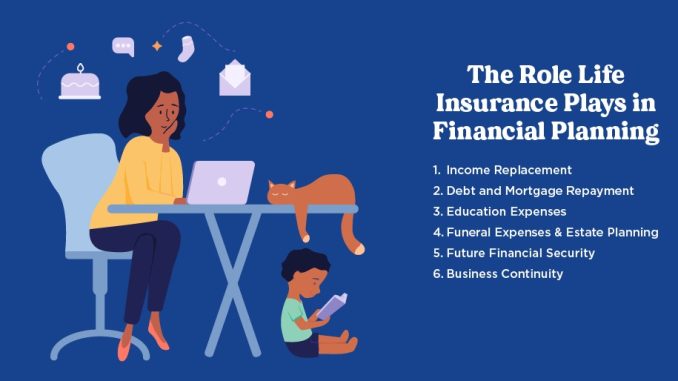
In the realm of personal finance, insurance serves as a stabilizing force. Homeowners insurance, for instance, allows individuals to invest in property with the assurance that their asset is protected against fire, theft, or natural disasters. Without that coverage, the financial risk of homeownership would be daunting. Similarly, life insurance provides a layer of financial planning that extends beyond the policyholder’s lifetime. It enables decisions around estate planning, debt management, and even charitable giving. The presence of insurance allows people to make bold choices—buying a home, starting a family, launching a business—because they know there’s a mechanism in place to absorb potential shocks.
Business leaders, too, rely heavily on insurance when making strategic decisions. Whether it’s purchasing property, hiring employees, or entering new markets, the availability and scope of coverage can influence the level of risk a company is willing to take. For example, a startup might be more willing to experiment with a new product line if it has product liability insurance in place. A construction firm may bid on a large project knowing that its workers’ compensation policy will cover any jobsite injuries. In these cases, insurance doesn’t just protect—it enables growth. It allows businesses to innovate, expand, and compete without being paralyzed by fear of the unknown.
Even in less obvious scenarios, insurance plays a subtle but powerful role. Travel insurance, for instance, can affect how and when people book trips, what destinations they choose, and how they respond to disruptions. Pet insurance might influence decisions about veterinary care or breed selection. Cyber insurance can shape IT investments and data security protocols. In each case, the presence or absence of coverage alters the calculus of risk and reward, guiding behavior in ways that are often invisible but deeply consequential.
What makes insurance particularly compelling is its dual nature. It is both reactive and proactive. On one hand, it responds to adverse events, providing financial relief and support. On the other, it encourages forward-thinking behavior, prompting individuals and organizations to plan, prepare, and protect. This duality is what makes insurance a cornerstone of responsible decision-making. It’s not just about what happens after something goes wrong—it’s about creating the conditions for things to go right.
Of course, the effectiveness of insurance in shaping decisions depends on understanding and engagement. Policies are complex, and many people don’t fully grasp what their coverage entails. This lack of clarity can lead to underinsurance, overinsurance, or misinformed choices. That’s why education and transparency are critical. When individuals and businesses understand their policies, they can make smarter decisions, align coverage with their goals, and avoid costly surprises. Insurance, in this sense, becomes not just a product but a partnership—one that requires active participation and informed judgment.
Ultimately, the role of insurance in everyday decision-making is about more than contracts and claims. It’s about trust, confidence, and the freedom to act. It allows people to take risks, pursue opportunities, and navigate uncertainty with a safety net beneath them. Whether it’s a parent deciding to send their child to college, a retiree planning their golden years, or an entrepreneur launching a new venture, insurance is there—quietly influencing choices, supporting ambitions, and shaping the future. It’s not just a tool for managing risk. It’s a catalyst for possibility.