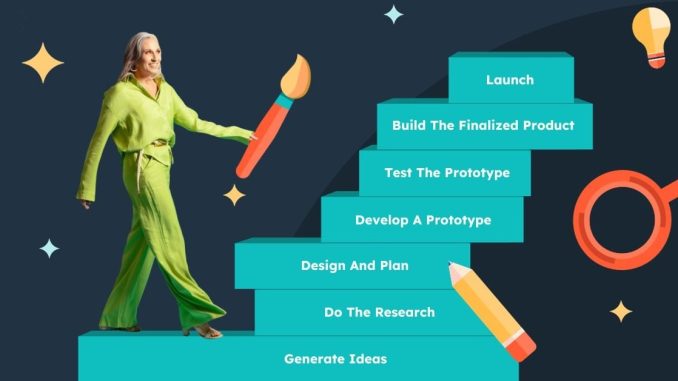
Starting a tech startup is often romanticized as a bold leap into innovation, but the reality is that building a product is a complex journey filled with both excitement and uncertainty. The first steps are crucial, as they set the foundation for everything that follows. A startup’s product is not just a piece of technology; it is the embodiment of an idea, a solution to a problem, and the bridge between vision and market reality. Getting those early moves right can make the difference between a product that resonates and one that fades into obscurity.
The journey begins with clarity of purpose. Founders must understand the problem they are solving and why it matters. Too often, startups rush into development without fully articulating the pain points of their target audience. A well-defined problem statement ensures that the product is not built in a vacuum but is instead designed to meet real needs. This clarity also helps align the team, investors, and early supporters around a shared vision, creating momentum that carries the startup forward.
Once the problem is clear, the next step is to translate it into a product concept. This is where creativity meets practicality. Founders must balance ambition with feasibility, envisioning what the product could become while recognizing the constraints of time, resources, and technical capability. The concept should be simple enough to communicate easily yet robust enough to inspire confidence. It is the blueprint that guides development and provides a touchstone for decision-making as challenges inevitably arise.
Building a product in a startup environment requires prioritization. Resources are limited, and teams cannot afford to chase every feature or idea. The focus should be on creating a minimum viable product that captures the essence of the solution. This approach allows startups to test assumptions quickly, gather feedback, and iterate without overcommitting to unproven directions. Prioritization is not about cutting corners but about concentrating energy on what matters most to the customer.
Customer feedback plays a pivotal role in shaping the product during its early stages. Startups must engage with potential users, listen to their experiences, and adapt accordingly. This feedback loop ensures that the product evolves in alignment with market expectations rather than founder assumptions. It also builds relationships with early adopters, who often become advocates and provide valuable insights that guide future development. The willingness to listen and adjust is one of the defining traits of successful startups.
Technology choices are another critical consideration. Startups must decide which platforms, frameworks, and tools to use, balancing speed of development with scalability and long-term sustainability. Choosing the wrong technology stack can lead to costly rework, while the right choices can accelerate progress and provide flexibility for growth. These decisions should be made with both immediate needs and future ambitions in mind, ensuring that the product can evolve as the startup matures.
Team dynamics are equally important in the early stages of product development. A startup’s success often hinges on the ability of a small group of people to collaborate effectively under pressure. Founders must cultivate a culture of trust, transparency, and resilience, where challenges are addressed openly and creativity is encouraged. The team must be adaptable, willing to wear multiple hats, and committed to the shared vision. Strong team dynamics not only drive progress but also sustain morale during inevitable setbacks.
Funding considerations also influence how a product is built. Startups often operate with tight budgets, and every decision carries financial implications. Founders must balance the need to invest in development with the realities of cash flow, often making difficult choices about what to prioritize. Demonstrating progress with limited resources can also be a powerful signal to investors, showing that the team is capable of executing efficiently and delivering results.
Marketing and positioning should not be overlooked during product development. Even the most innovative product will struggle if it is not communicated effectively to the right audience. Startups must think about how to tell their story, highlight their value proposition, and differentiate themselves in crowded markets. This requires a deep understanding of the target audience and a clear articulation of why the product matters. Positioning is not just about promotion; it is about shaping perception and building credibility.
As the product takes shape, startups must also consider scalability. Early decisions about architecture, processes, and infrastructure can have long-term consequences. While it is important to move quickly, it is equally important to ensure that the product can grow with demand. Scalability is not just a technical issue but a strategic one, influencing how the startup can expand into new markets, serve larger customer bases, and adapt to evolving needs.
Risk management is another aspect that cannot be ignored. Startups face uncertainties ranging from technical challenges to market shifts. Founders must identify potential risks, assess their impact, and develop strategies to mitigate them. This proactive approach does not eliminate risk but ensures that the team is prepared to respond effectively. Managing risk builds resilience and helps maintain focus during turbulent times.
The process of building a product is iterative, requiring constant refinement and adaptation. Startups must embrace the idea that the first version will not be perfect and that improvement is a continuous journey. Iteration allows the product to evolve in response to feedback, market changes, and technological advances. It also fosters a culture of learning, where mistakes are seen as opportunities to grow rather than failures to be avoided.
Ultimately, the first steps in building a product are about laying a foundation for long-term success. They require clarity of vision, disciplined execution, and a willingness to adapt. Startups that approach product development with focus, humility, and resilience are better positioned to create solutions that resonate with customers and stand the test of time. While the journey is challenging, it is also deeply rewarding, as each step brings the vision closer to reality and transforms ideas into impact.