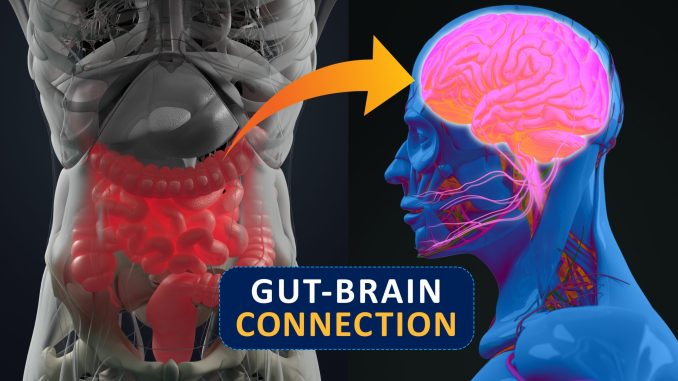
The connection between the gut and the brain has become one of the most fascinating areas of modern health research, reshaping how we think about wellness and performance. For decades, the brain was viewed as the command center, directing the body’s functions with little consideration for feedback from other systems. Today, science reveals a far more dynamic relationship, where the gut and brain communicate continuously, influencing everything from mood and cognition to immunity and energy levels. This relationship, often referred to as the gut-brain axis, highlights the importance of treating the body as an interconnected system rather than a collection of separate parts.
At the core of this connection is the microbiome, the trillions of bacteria and microorganisms that live in the digestive tract. These microbes play a critical role in breaking down food, producing essential nutrients, and regulating immune responses. What makes them particularly interesting is their ability to produce neurotransmitters and signaling molecules that directly affect brain function. Serotonin, often called the “feel-good” chemical, is largely produced in the gut, underscoring how digestive health can influence emotional well-being. When the microbiome is balanced, communication between gut and brain flows smoothly, supporting both physical and mental health.
Stress provides a clear example of how the gut and brain interact. When the brain perceives stress, it triggers changes in digestion, often leading to discomfort or irregularity. Conversely, disruptions in gut health can send signals to the brain that heighten anxiety or reduce focus. This two-way communication creates a cycle where mental strain affects digestion and digestive issues amplify stress. For professionals navigating high-pressure environments, understanding this link is crucial, as managing gut health can directly improve resilience and performance.
Nutrition plays a central role in supporting the gut-brain connection. Diets rich in fiber, whole foods, and fermented products help maintain a diverse and balanced microbiome, which in turn supports cognitive clarity and emotional stability. On the other hand, processed foods and excessive sugar can disrupt microbial balance, leading to inflammation and impaired signaling between gut and brain. Businesses that encourage healthier food options in the workplace are not just promoting physical health but also enhancing employee focus, creativity, and decision-making.
The gut-brain axis also influences immunity, which has implications for productivity and long-term health. A significant portion of the immune system resides in the gut, and its activity is closely tied to microbial balance. When the gut is healthy, it helps regulate inflammation and protect against illness. When compromised, it can weaken defenses and contribute to chronic conditions. For organizations, this means that supporting gut health indirectly reduces absenteeism and healthcare costs, reinforcing the business case for wellness initiatives.
Sleep is another area where the gut-brain connection plays a role. Poor gut health can interfere with sleep quality, while inadequate rest disrupts microbial balance. This reciprocal relationship highlights the importance of holistic health practices. Professionals who prioritize both nutrition and rest often experience sharper focus, better mood regulation, and greater stamina. In business contexts, where long hours are common, recognizing the interplay between gut and brain can help leaders design environments that support sustainable performance.
The psychological dimension of the gut-brain axis is particularly compelling. Emerging research suggests that imbalances in gut health may contribute to conditions such as depression and anxiety. While these are complex issues with multiple contributing factors, the role of the gut adds a new layer of understanding. Supporting digestive health through diet, stress management, and lifestyle choices can complement traditional approaches to mental health, offering a more comprehensive strategy for well-being. For professionals, this means that investing in gut health is not just about physical resilience but also about emotional balance.
Technology is beginning to play a role in making the gut-brain connection more accessible. Apps and wearable devices can track dietary habits, stress levels, and sleep patterns, providing insights into how these factors interact. Businesses that integrate such tools into wellness programs can empower employees to take ownership of their health, creating cultures where well-being is actively supported. The ability to measure and respond to gut-brain dynamics in real time represents a new frontier in workplace health.
Global collaboration in research is accelerating our understanding of the gut-brain axis. Scientists across disciplines are exploring how microbiome diversity varies among populations and how cultural diets influence health outcomes. This knowledge has implications not only for healthcare but also for industries such as food, technology, and pharmaceuticals. Businesses that stay attuned to these developments can position themselves at the forefront of innovation, offering products and services that align with emerging insights into gut-brain health.
The economic implications of this connection are significant. By reducing the burden of stress-related illness, digestive disorders, and mental health challenges, investments in gut health can lower healthcare costs and improve workforce productivity. For organizations, this translates into stronger performance and greater resilience in competitive markets. For individuals, it means greater energy, focus, and satisfaction in both personal and professional life. The gut-brain axis is not just a scientific curiosity; it is a practical lever for improving outcomes across multiple dimensions.
Ultimately, understanding the link between gut and brain underscores the importance of holistic health. It reminds us that the body is an integrated system, where physical, mental, and emotional well-being are inseparable. For professionals and businesses alike, this perspective encourages strategies that go beyond surface-level wellness initiatives, focusing instead on the deeper connections that sustain resilience and performance. The gut-brain axis is a powerful example of how science can reshape our approach to health, offering insights that are both practical and transformative.
As research continues to evolve, the gut-brain connection will likely become a central focus in healthcare and workplace wellness. Its influence on mood, cognition, immunity, and energy makes it a critical factor in both individual and organizational success. By embracing practices that support gut health, businesses and professionals can unlock new levels of performance and well-being. The future of health lies in recognizing these connections and building strategies that honor the intricate dialogue between body and mind.