Hitting a financial wall can feel like slamming into reality at full speed. It’s the moment when your usual strategies stop working, when bills outpace income, and when the pressure starts to seep into every corner of your life. Whether it’s triggered by a job loss, unexpected expenses, or simply a slow erosion of savings, the experience is disorienting. But it’s not the end of the road. It’s a signal—a loud, uncomfortable one—that something needs to change. And while the path forward may not be easy, it’s absolutely navigable with the right mindset and approach.
The first step is to pause and assess, even if your instinct is to scramble for quick fixes. When you’re in crisis mode, it’s tempting to act fast, but clarity is more valuable than speed. Take a breath and look at the numbers. What’s coming in, what’s going out, and what’s left? This isn’t about judgment—it’s about information. For example, someone who’s fallen behind on rent and credit card payments might feel overwhelmed by the total amount owed. But breaking it down into categories and timelines can reveal which obligations are most urgent and which ones have flexibility. That kind of insight turns chaos into a plan.
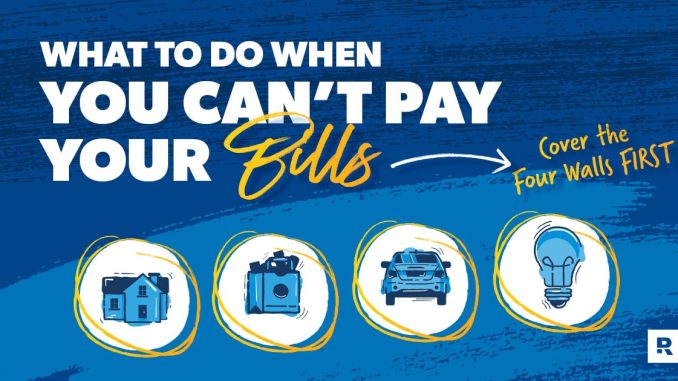
Once you’ve mapped out your financial landscape, it’s time to prioritize. Not all expenses carry the same weight. Housing, food, utilities, and transportation are foundational—without them, everything else becomes harder. If you’re facing limited resources, these essentials need to be protected first. For instance, if you’re choosing between paying a utility bill and making a minimum credit card payment, the utility bill likely has more immediate consequences. That doesn’t mean ignoring other obligations—it means making strategic decisions based on impact. Prioritization isn’t about neglect—it’s about survival.
Communication is a powerful tool in these moments. Many people assume that creditors, landlords, or service providers won’t be flexible, but that’s often not true. Reaching out proactively can lead to payment plans, temporary relief, or waived fees. For example, a utility company might offer a hardship program, or a lender might allow deferment. These options aren’t always advertised, but they exist. The key is to be honest and specific. Explain your situation, outline your plan, and ask what’s possible. You don’t need to have all the answers—just a willingness to engage.
Income generation may also need to be part of the solution. When expenses exceed earnings, cutting costs alone may not be enough. Exploring additional sources of income—even temporary ones—can create breathing room. This might mean freelancing, selling unused items, or taking on part-time work. For instance, someone with graphic design skills might offer services online, while another person might drive for a rideshare company during evenings. These efforts don’t need to be permanent—they’re bridges to help you move from crisis to stability. Every extra dollar can shift the equation.
Mindset matters more than most people realize. Hitting a financial wall can trigger shame, fear, and a sense of failure. But those emotions, while valid, don’t define you. Financial hardship is often circumstantial—driven by external factors like inflation, health issues, or job market shifts. The key is to separate your self-worth from your bank balance. Talking to someone you trust, whether it’s a friend, advisor, or therapist, can help you process the stress and stay grounded. You’re not alone, and you’re not the first person to face this challenge. Support and perspective can make the journey feel less isolating.
Once you’ve stabilized, reflection becomes essential. What led to the wall? Was it a one-time event or a pattern? Understanding the root cause helps you build safeguards for the future. For example, if irregular income contributed to the crisis, creating a buffer fund might be a priority. If overspending played a role, revisiting your budget and habits can lead to lasting change. The goal isn’t to dwell on mistakes—it’s to learn from them. Financial setbacks can be powerful teachers if you’re willing to listen.
Technology can support your recovery and planning. Budgeting apps, expense trackers, and financial dashboards offer visibility and structure. For instance, setting up alerts for due dates or automating minimum payments can prevent future lapses. These tools don’t replace discipline—they reinforce it. They create systems that reduce friction and increase consistency, which is especially helpful when life gets busy or unpredictable. The more you can rely on systems, the less you have to rely on willpower alone.
Ultimately, hitting a financial wall is a moment, not a verdict. It’s a signal that something needs attention, not a sign that all is lost. With clarity, communication, and a willingness to act, you can navigate the challenge and emerge stronger. The process may require humility, effort, and patience, but it also builds resilience, awareness, and confidence. And as you catch up, rebuild, and move forward, you’ll find that the experience—while difficult—has equipped you with tools and insights that serve you for life. Because financial strength isn’t just about numbers—it’s about the choices you make when things get hard.