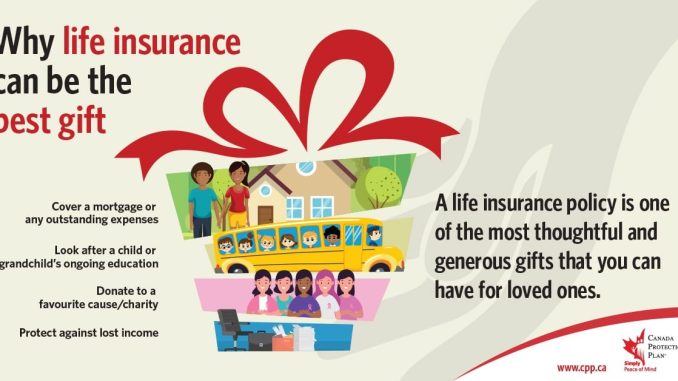
Thoughtful protection is not just about shielding ourselves from harm—it’s about anticipating challenges, preparing for uncertainty, and making decisions that reflect care, responsibility, and foresight. Insurance, when approached with intention, embodies this philosophy. It’s more than a financial product or a legal requirement; it’s a deliberate choice to safeguard what matters most. Whether it’s a family’s future, a business’s operations, or an individual’s health and assets, insurance provides a framework for resilience. It allows people to navigate life’s unpredictability with confidence, knowing they’ve taken steps to protect their stability and peace of mind.
What makes insurance thoughtful is the way it encourages reflection. Choosing the right coverage requires an honest assessment of risks, priorities, and values. It’s not a one-size-fits-all proposition. A young entrepreneur might prioritize liability coverage to protect their growing business, while a parent might focus on life insurance to ensure their children are cared for in any circumstance. These decisions are deeply personal, shaped by individual circumstances and aspirations. In making them, people engage in a process of self-awareness and strategic planning. They’re not just reacting to potential threats—they’re proactively designing a safety net that aligns with their goals.
Insurance also reflects empathy. It’s a way of saying, “I care enough to prepare.” For families, this might mean ensuring that loved ones aren’t burdened by financial stress in the event of illness or loss. For businesses, it’s about protecting employees, customers, and stakeholders from disruptions that could impact livelihoods. This kind of protection isn’t just practical—it’s compassionate. It acknowledges that while we can’t control everything, we can take responsibility for how we respond. Thoughtful protection means considering the ripple effects of risk and taking steps to minimize harm, not just for ourselves but for those who depend on us.
The structure of insurance itself reinforces this mindset. Policies are built around scenarios—what happens if, when, or how something goes wrong. Engaging with these possibilities requires a level of maturity and foresight. It’s not always comfortable to think about accidents, disasters, or death, but doing so allows us to plan with clarity. It’s an act of courage and care. By confronting these realities, we create space for security and continuity. We ensure that our plans, our progress, and our relationships are not derailed by the unexpected.
Technology has made it easier to approach insurance with thoughtfulness. Digital platforms offer tools to compare policies, assess needs, and manage coverage with transparency and ease. This accessibility empowers consumers to make informed choices, rather than relying solely on recommendations or assumptions. It also allows for customization, so that coverage can evolve with changing circumstances. A person who gets married, starts a business, or buys a home can adjust their insurance to reflect new responsibilities. This adaptability is key to maintaining thoughtful protection over time. It ensures that insurance remains relevant, responsive, and aligned with life’s transitions.
Education is another essential component. Understanding policy terms, coverage limits, and exclusions is critical for making thoughtful decisions. When people are equipped with this knowledge, they’re better able to evaluate options, identify gaps, and use their coverage effectively. They’re also more likely to engage with insurance as a strategic tool, rather than a passive purchase. This level of engagement transforms the experience. It turns insurance into a conversation about values, priorities, and preparedness. It becomes a reflection of how we think about risk and responsibility.
Thoughtful protection also means recognizing that insurance is not just about compensation—it’s about continuity. When a claim is filed, the goal is not simply to receive a payout but to restore stability. Whether it’s repairing a home, covering medical expenses, or replacing lost income, insurance helps people recover and move forward. It provides the resources needed to maintain momentum, even in the face of disruption. This continuity is essential for long-term success. It allows individuals and organizations to pursue their goals without fear that a single setback will undo years of progress.
In business, this principle is especially important. Companies face a wide range of risks, from operational disruptions to legal liabilities. Insurance enables them to manage these risks strategically, ensuring that they can continue serving customers, supporting employees, and delivering value. It also signals to partners and investors that the business is prepared and resilient. This kind of foresight builds trust and credibility, which are essential for growth. Thoughtful protection in a business context is not just about minimizing losses—it’s about enabling innovation, stability, and confidence.
Ultimately, insurance is a form of thoughtful protection because it reflects a deliberate and caring approach to uncertainty. It’s about more than avoiding financial hardship—it’s about preserving what we’ve built, supporting those we care about, and planning for a future that includes both challenges and possibilities. When we choose insurance with intention, we’re not just protecting assets—we’re protecting aspirations. We’re saying that our goals, our relationships, and our well-being are worth safeguarding. And in a world where unpredictability is a constant, that kind of thoughtfulness is not just wise—it’s essential.